
Alpinia malaccensis
Alpinia malaccensis
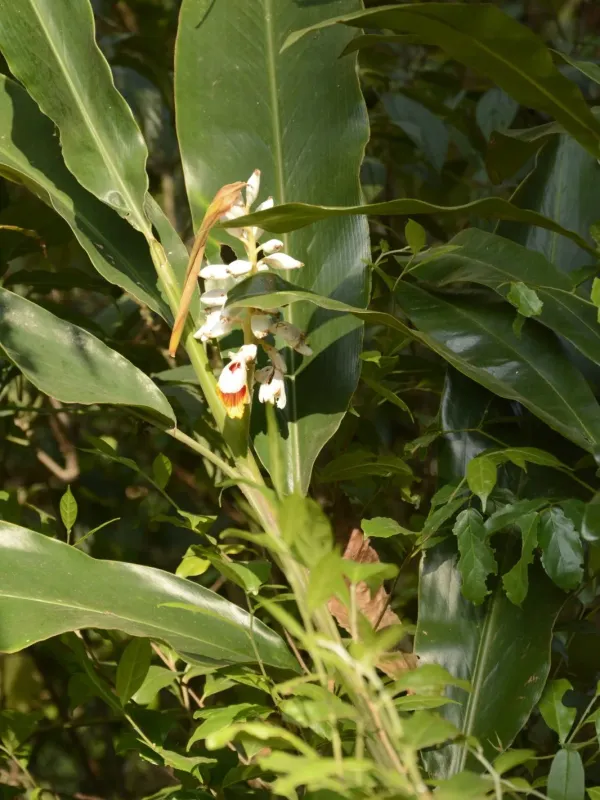
Description
Growing requirements
Alpinia malaccensis is a robust herbaceous perennial species belonging to the ginger family (Zingiberaceae). The plant is characterized by its tall, reed-like stems and large, aromatic leaves that can reach heights of several meters in its natural tropical habitat.
Originating from Southeast Asia, specifically regions like Malaysia and Indonesia, the plant thrives in equatorial climates. It is adapted to high humidity, consistent temperatures, and partial shade environments typical of forest understories or riverbanks.
Agricultural requirements include nutrient-rich, well-draining soil with a high organic matter content to support the rapid development of its fleshy rhizomes. Maintaining adequate moisture is crucial, as the plant cannot tolerate periods of prolonged drought.
The cultivation process involves careful site selection to avoid direct scorching sunlight, which can damage the foliage. Propagation is primarily achieved through the division of mature rhizomes, ensuring the genetic consistency and vigor of the new plant generations.
Commercially, Alpinia malaccensis is valued for its rhizomes and essential oils. It finds applications in traditional medicine for its antimicrobial properties, as well as in the food industry for its unique spicy-aromatic profile used in various culinary preparations.
Main diseases and pests
Root rot caused by stagnant water is the most significant threat to the health of the plant. Ensuring optimal drainage is the most effective preventative measure against fungal pathogens that target the rhizome structure.
Pests such as mealybugs and spider mites frequently infest the dense foliage, especially in greenhouse environments with limited airflow. Regular monitoring and integrated pest management are necessary to maintain plant productivity.
Bacterial wilt is a severe systemic disease that can lead to rapid decline. Using clean, pathogen-free planting material and maintaining strict quarantine protocols is essential to prevent the spread of this infection.
Soil-borne nematodes pose a hidden risk, as they burrow into the roots and restrict nutrient uptake. Proper soil preparation and, if necessary, heat treatment of the planting medium can reduce the prevalence of these pests.
Leaf spot diseases, often triggered by excessive moisture and poor ventilation, can significantly reduce the photosynthetic capacity of the plant. Improving air circulation is key to managing these common foliage issues.