
Alpinia maclurei
Alpinia maclurei
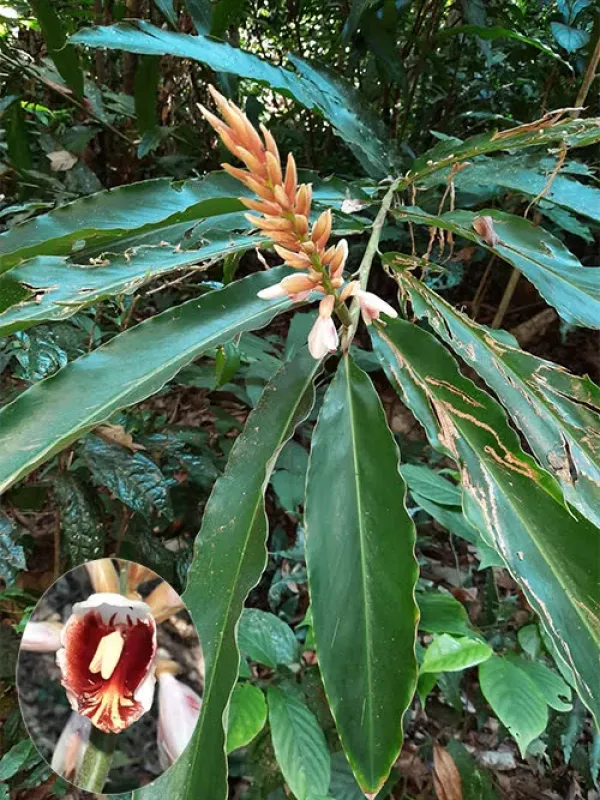
Description
Sowing dates
Alpinia maclurei is a perennial plant belonging to the Zingiberaceae family, commonly found in tropical and subtropical regions where specific growth conditions can be maintained.
Propagation is most efficiently achieved through the division of rhizomes, which ensures the preservation of the plant's unique biological and aromatic qualities.
When starting from seeds, it is essential to use high-quality substrate and maintain constant moisture levels to overcome the dormancy period characteristic of the family.
The sowing process is typically carried out in controlled environments like greenhouses, where temperature and light can be precisely managed for early seedling development.
Proper density of planting is crucial to ensure that each plant has enough space for the development of its expansive root system, which is the primary economic component of the crop.
Growing requirements
The plant thrives in warm, humid climates with temperatures ideally ranging between 20°C and 28°C throughout the active growing season.
Soil requirements involve well-draining, nutrient-rich loams with an acidic to neutral pH balance, which prevents waterlogging that is detrimental to the rhizomes.
Regular irrigation is vital, as the plant cannot tolerate prolonged drought; however, the soil must remain aerated to prevent fungal colonization of the roots.
Fertilization regimes should prioritize organic amendments complemented by balanced NPK ratios to support the rapid development of foliage and underground rhizomes.
Light levels should be managed to avoid direct, intense sunlight, which can cause leaf chlorosis and reduce the overall photosynthetic efficiency of the plantation.
Yield
The commercial harvest of Alpinia maclurei focuses on its aromatic rhizomes, which are utilized in various industries including perfumery and specialized food manufacturing.
Yield stability is reached after several years of growth, provided that the soil nutrient status is maintained and irrigation protocols are strictly followed.
The total yield per hectare is heavily influenced by planting density and the consistency of the climate, making localized production parameters very important.
Harvesting timing is critical, as the concentration of essential oils within the rhizomes fluctuates throughout the year based on the plant's metabolic activity.
Proper handling after harvest is essential to maintain the quality of the raw material, as high-value essential oils are volatile and sensitive to degradation.
Main diseases and pests
Pest management is focused on controlling spider mites and scale insects, which are notorious for infesting ginger family plants in humid greenhouse conditions.
Fungal diseases like rhizome rot represent the most significant threat to yields, usually occurring in instances of over-irrigation or improper soil drainage.
Integrated pest management strategies are recommended, emphasizing the use of biological controls over aggressive chemical pesticides that could affect rhizome purity.
Monitoring for signs of leaf spots or wilting is a standard procedure, as early detection allows for the removal of infected plant material before the issue spreads.
Maintaining a clean cultivation area and using disease-free initial rhizome cuttings are the foundational steps in preventing persistent pathological outbreaks.
Harvesting
The harvest phase begins when the plant enters dormancy, evidenced by the yellowing and dying back of the above-ground stem and leaf structures.
Mechanized or hand-digging tools are used to extract the rhizomes, ensuring minimal impact to the physical integrity of the crop during the retrieval process.
Once removed, the rhizomes are cleaned of excess soil using water sprays, then inspected for quality to separate premium material from lower-grade components.
Drying the rhizomes occurs in controlled environments, which is a necessary step to stabilize the moisture content and prevent microbial growth during storage.
Final packaging is designed to protect the material from oxidation and moisture, ensuring that the essential oils are preserved until the product reaches the consumer.