
Alpinia luteocarpa
Alpinia luteocarpa
Description
Growing requirements
Alpinia luteocarpa is a perennial herbaceous plant belonging to the Zingiberaceae family. Native to tropical regions, this species is characterized by its robust, clump-forming growth habit and striking foliage, which makes it a notable member of the ginger family used in various ornamental landscaping projects.
The plant requires high humidity levels consistently, ideally between 60% and 80%, to maintain its vigorous growth. In a cultivated setting, it performs best when placed in areas with bright, indirect sunlight, as excessive exposure to direct sun can lead to leaf scorch and degradation of the aesthetic qualities.
The soil profile for Alpinia luteocarpa should be nutrient-rich, organic, and well-draining. Water management is a critical aspect of its agrotechnology; while the plant loves moisture, it cannot tolerate waterlogged conditions, which lead to rapid decay of the rhizome system.
Temperature requirements are stringent, necessitating a range of 20°C to 28°C during the active growing season. During winter, the plant enters a period of dormancy, and temperatures should strictly stay above 15°C to avoid metabolic disruption or cold-related tissue damage.
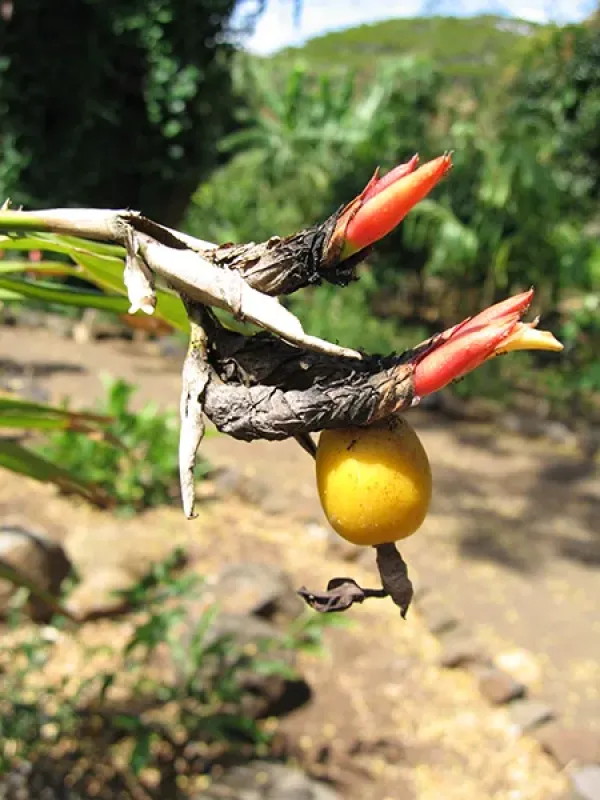
In terms of agricultural and landscape use, Alpinia luteocarpa is highly valued for its ornamental appeal, particularly its yellowish fruit clusters. It is widely utilized in tropical and subtropical regions to create lush, jungle-like environments in botanical gardens and private high-end landscaping designs.
Main diseases and pests
The most common pests affecting Alpinia luteocarpa in controlled environments are spider mites, which thrive in low-humidity conditions. These pests typically congregate on the underside of the leaves, causing stippling, chlorosis, and eventual premature senescence of the foliage if left untreated.
Scale insects present a consistent challenge, attaching themselves to the stems and leaf midribs. Mechanical removal combined with the application of horticultural oils or systemic insecticides is generally the most effective strategy for managing these infestations without causing phytotoxicity.
Root rot, primarily caused by species of Pythium or Phytophthora, is the most severe pathological threat. This condition is almost exclusively a result of poor drainage and overwatering, leading to the rapid softening of rhizomes and the sudden collapse of the entire plant structure.
Mealybugs can also infest the tight junctions between leaves and stems, creating white, cottony deposits. These pests weaken the plant's structural integrity and can facilitate the growth of sooty mold, which impairs the plant's ability to conduct photosynthesis effectively.
Effective management includes regular sanitation practices, such as removing dead leaf tissue and debris from the base of the plant. A proactive approach, involving periodic inspections and the maintenance of optimal environmental parameters, is essential to prevent significant pest and disease outbreaks.