
Alpinia latilabris
Alpinia latilabris
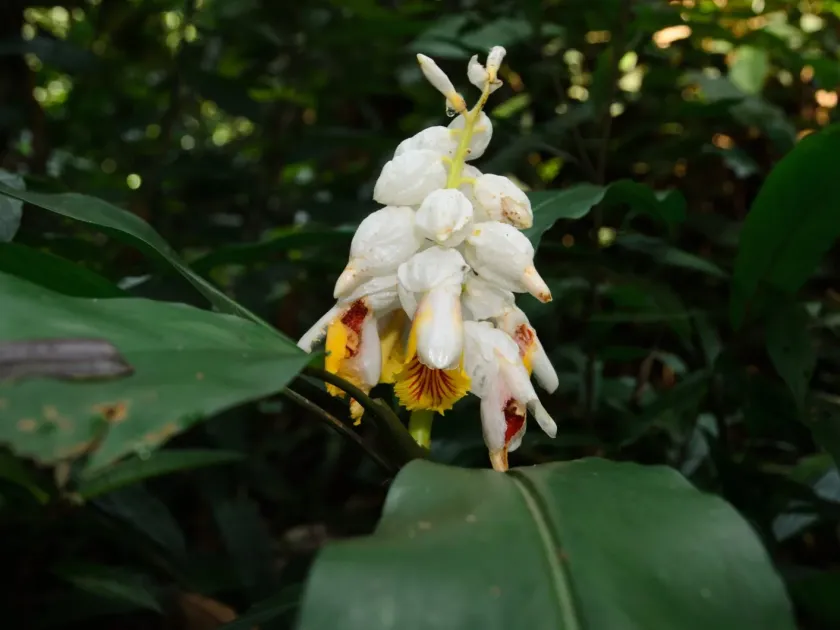
Description
Growing requirements
Alpinia latilabris is a perennial rhizomatous plant belonging to the Zingiberaceae family. It is native to the tropical regions of Southeast Asia, thriving in high-humidity environments typical of tropical rainforests.
The plant requires a warm climate with temperatures consistently between 22°C and 28°C. It is highly susceptible to chilling injury, which means it must be protected from any temperatures dropping below 15°C.
Soil requirements include a rich, well-draining substrate with a slightly acidic pH. The plant performs best in soils high in organic matter, such as composted leaf litter, which mimics its natural forest floor environment.
Alpinia latilabris prefers partial shade or dappled sunlight. Direct exposure to intense midday sun is detrimental to its health, causing leaf desiccation and reducing the photosynthetic efficiency of the plant.
Watering management is crucial; the soil should remain consistently moist but never waterlogged. Regular misting of the foliage is recommended to maintain the high atmospheric humidity levels required for optimal plant vigor.
Main diseases and pests
The plant is susceptible to several fungal diseases, particularly rhizome rot caused by Pythium and Fusarium species in waterlogged soils. These pathogens can cause rapid decay of the underground parts.
Common pests include spider mites and mealybugs, which thrive in the warm, enclosed conditions of greenhouses where these plants are often grown. Early detection and the use of biological control agents are the preferred management strategies.
Leaf blight caused by bacterial or fungal infections can occur during periods of poor air circulation. Improving ventilation and reducing overhead irrigation are the primary methods to prevent the spread of such diseases.
Nematodes are another potential threat, as they can cause galls on the roots, leading to overall plant stunting. Soil sterilization or the use of clean planting stock is essential for preventing nematode infestation.
Effective management of these threats relies on integrated pest management (IPM) practices, emphasizing habitat modification and strict quarantine measures for new planting material to prevent the introduction of soil-borne pathogens.
Harvesting
Harvesting primarily focuses on the underground rhizomes, which are used for their essential oils and medicinal properties. This process is usually initiated once the plant has reached maturity, typically after two years of growth.
The rhizomes are carefully lifted from the soil to minimize mechanical damage. After harvest, they are washed thoroughly to remove debris and then divided into sections for processing or replanting.
Drying is a critical step in post-harvest handling; the rhizomes are sliced and dried in controlled environments at moderate temperatures to prevent the loss of aromatic volatiles.
In addition to rhizomes, the young shoots are occasionally harvested for culinary purposes. These are picked at the beginning of the growing season when the tissues are tender and fibrous content is at its minimum.
Proper storage is essential to maintain the quality of the dried material. Airtight containers kept in a cool, dry place are necessary to preserve the essential oils and prevent degradation of the bioactive compounds.