
Alpinia kwangsiensis
Alpinia kwangsiensis
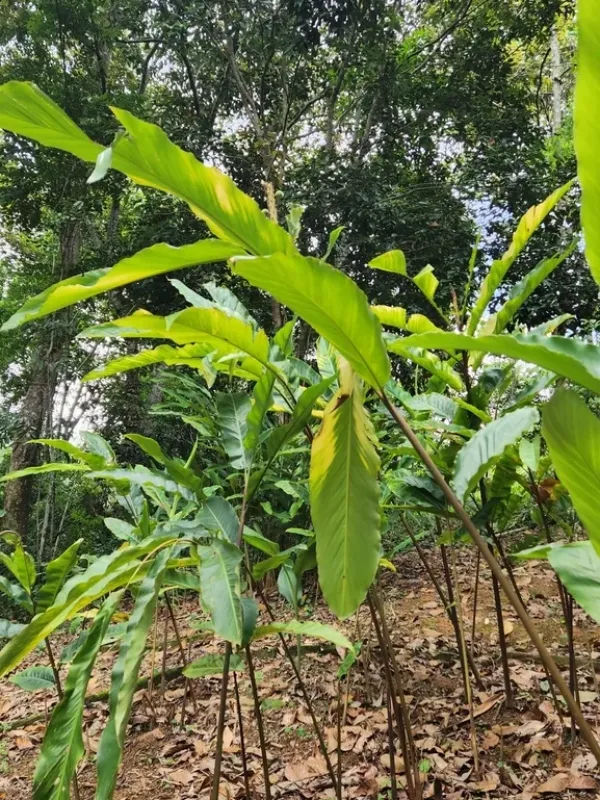
Description
Growing requirements
Alpinia kwangsiensis is a perennial herbaceous plant belonging to the Zingiberaceae family. Native to the subtropical regions of China, this species requires specific environmental conditions to thrive and reach its full growth potential.
The plant demands a warm and stable climate. Ideal growth temperatures range between 22°C and 28°C. Being a tropical native, it is highly sensitive to frost and sudden temperature drops, which can lead to permanent tissue damage.
Soil requirements focus on high organic content and excellent drainage. A substrate rich in compost or leaf mold, mixed with perlite or coarse sand, ensures that roots have access to oxygen while retaining necessary moisture.
High relative humidity is essential for the development of healthy, lush foliage. In environments where humidity levels are below 60 percent, supplemental misting or the use of humidifiers is necessary to mimic the natural rainforest habitat.
Proper light management is critical. Alpinia kwangsiensis flourishes under bright, indirect light. Direct tropical sun can scorch the leaves, while insufficient light leads to stunted growth and failure to produce the characteristic inflorescences.
Main diseases and pests
The most significant threat to Alpinia kwangsiensis is fungal root rot caused by poor soil drainage and stagnant water. Symptoms often include yellowing leaves and a softening of the rhizome base, which requires immediate intervention.
Pests such as spider mites, aphids, and scale insects frequently attack this plant in enclosed conditions. These pests thrive in dry environments and can quickly debilitate the plant by extracting essential sap.
Integrated pest management, including the use of neem oil and biological predators, is recommended for sustainable control. Avoid relying solely on broad-spectrum chemicals to preserve the micro-ecosystem around the plant.
Fungal leaf spots can occur when foliage remains wet for extended periods in low-airflow conditions. Ensuring proper ventilation between individual plants helps mitigate the spread of spores and keeps the leaves dry.
Regular sanitation, such as removing dead or damaged leaves and cleaning the surrounding growing area, significantly reduces the pressure from pests and diseases. Healthy cultural practices are the primary defense for this crop.