
Javanese Alpinia
Alpinia javanica
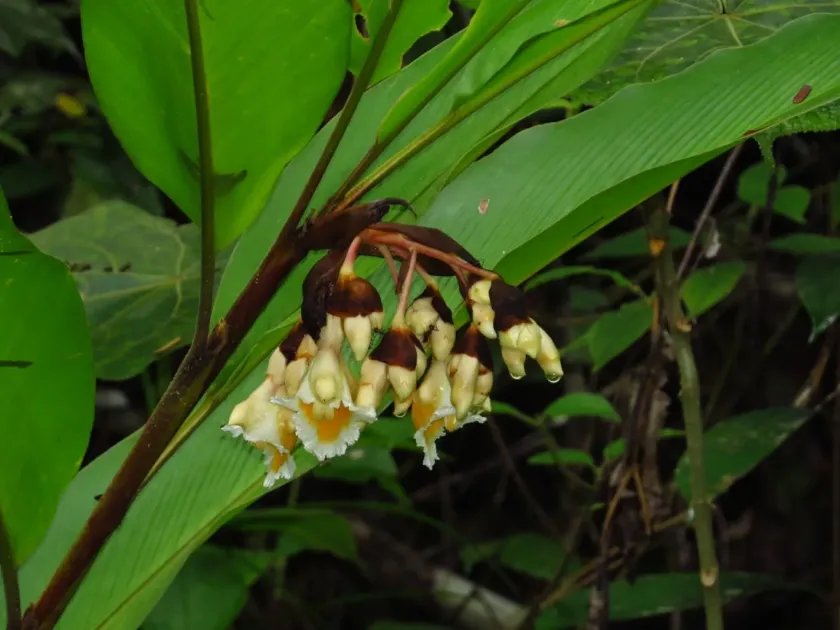
Description
Growing requirements
Alpinia javanica is a perennial herbaceous plant belonging to the Zingiberaceae family. Native to the tropical regions of Southeast Asia, specifically Indonesia, it is prized for its ornamental qualities and biological diversity.
Botanically, the plant develops from a sturdy, horizontal rhizome system. It produces leafy stems that can reach significant heights, with elongated leaves that feature the characteristic aromatic properties of its family.
The culture thrives in tropical environments where temperatures remain consistently between 22 and 29 degrees Celsius. It requires protection from cold drafts and frost, as it lacks hardiness in temperate climates.
Soil requirements for Alpinia javanica include high organic matter content, excellent drainage, and a slightly acidic pH level. A mix of peat, loam, and coarse sand provides the ideal structural environment for root development.
Humidity management is vital for this species, as it naturally originates from the moist understory of tropical forests. Regular misting and the maintenance of a moist, though not waterlogged, root zone are necessary for optimal health.
Main diseases and pests
The most common pests affecting Alpinia javanica under greenhouse conditions are spider mites and mealybugs, which thrive in low-humidity environments.
Fungal pathogens such as Pythium and Rhizoctonia pose a serious threat to the rhizomes, especially when irrigation is excessive during periods of low light.
Leaf spot diseases can also occur if air circulation is insufficient, leading to high moisture retention on the foliage surfaces for extended periods.
Regular sanitation, including the removal of dead leaves and the sterilization of pruning tools, is essential for maintaining a healthy plantation.
Application of fungicides should be strictly regulated and timed to prevent residue buildup, prioritizing integrated pest management strategies where possible.