
Japanese alpinia
Alpinia japonica
Description
Growing requirements
Japanese alpinia (Alpinia japonica) is a perennial herbaceous plant belonging to the Zingiberaceae (ginger) family. Native to the East Asian regions, including Japan and China, this plant is well-adapted to subtropical environments and is increasingly recognized for its ornamental and biological value.
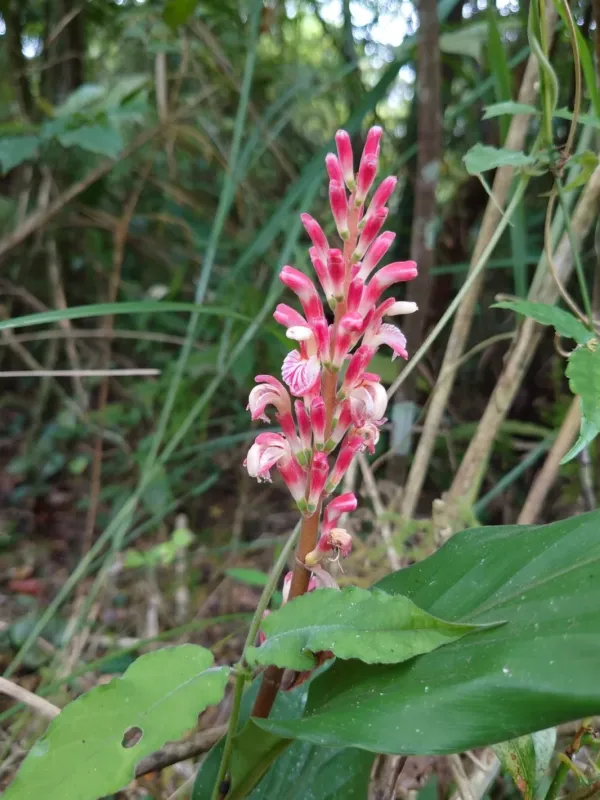
Botanically, it is characterized by creeping rhizomes and erect, leafy stems reaching up to one meter in height. The foliage is lanceolate, while the inflorescences are terminal racemes with unique white, red-veined flowers. These distinct morphological features contribute to its popularity in botanical collections.
The plant thrives in warm, humid climates with high levels of ambient moisture. It is typically grown in greenhouses or indoor settings in non-tropical regions, as it lacks cold hardiness and requires temperatures consistently above freezing to maintain healthy vegetative growth.
Soil requirements for Alpinia japonica include a well-drained, nutrient-rich, and slightly acidic medium. Growers must ensure that the soil remains moist throughout the active growing season, but standing water must be strictly avoided to prevent root damage.
In terms of agricultural and horticultural utility, the plant is valued for its aesthetic appeal in interior landscapes. Additionally, like many other members of the Zingiberaceae family, it contains various phytochemicals that are historically significant in traditional medicine and herbal infusions.
Main diseases and pests
Common diseases affecting this crop include fungal root rots, primarily caused by excessive soil moisture and poor aeration. Maintaining a balanced irrigation schedule is the most effective cultural practice to mitigate these risks in both nursery and greenhouse environments.
Pest management should focus on preventing outbreaks of spider mites and scale insects, which are known to flourish in low-humidity or poorly ventilated conditions. Monitoring and keeping foliage clean are critical components of an effective integrated pest management strategy.