
Alpinia intermedia
Alpinia intermedia
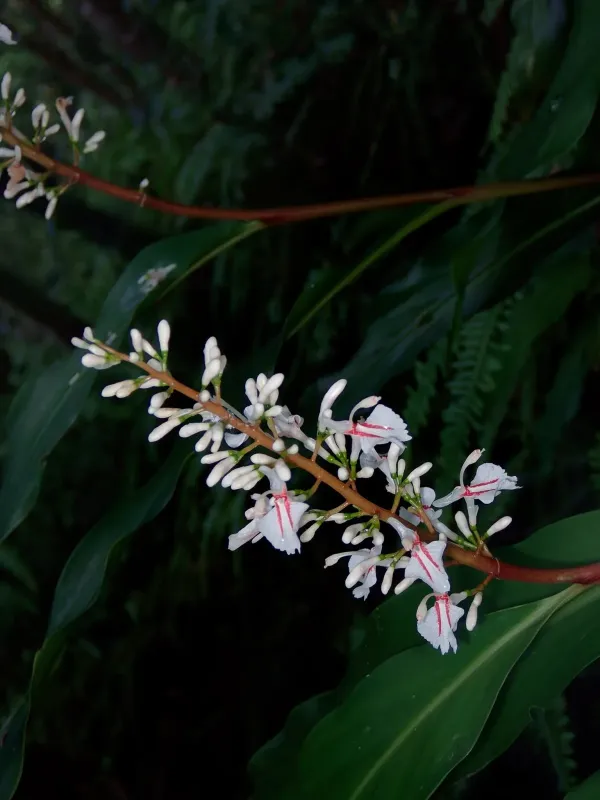
Description
Growing requirements
Alpinia intermedia is a member of the Zingiberaceae family, which is widely recognized for its tropical characteristics and rhizomatous structure. The species originates from the humid regions of East Asia, thriving in forest understories.
This crop requires a tropical climate with high ambient temperatures ranging from 20 to 28 degrees Celsius throughout the year. It cannot survive freezing temperatures and must be protected from cold drafts.
The plant thrives in rich, well-draining soil that is high in organic matter. Maintaining consistent soil moisture is crucial, but it must be balanced with excellent drainage to prevent the rhizomes from rotting.
Environmental humidity should be kept at a high level. In arid conditions, supplemental misting or the use of humidifiers is necessary to keep the foliage vibrant and healthy.
Light requirements for Alpinia intermedia are best met through bright, indirect sunlight. Exposure to harsh afternoon sun can bleach the leaves and cause physiological stress to the plant.
Main diseases and pests
The primary threats to Alpinia intermedia include soil-borne fungal pathogens, particularly Pythium and Rhizoctonia, which are encouraged by waterlogged conditions.
Spider mites are common pests that thrive in dry indoor environments, leading to leaf discoloration and webbing on the underside of the leaves.
Scale insects can also infest the stems and leaves, extracting plant sap and weakening the overall vigor of the rhizome system.
Mealybugs are known to cluster in the leaf axils, which makes them difficult to control without systematic inspections and targeted treatments.
To mitigate these threats, maintain good air circulation and follow a strict watering schedule that prevents soil compaction and anaerobic conditions in the root zone.