
Alpinia galanga
Alpinia galanga
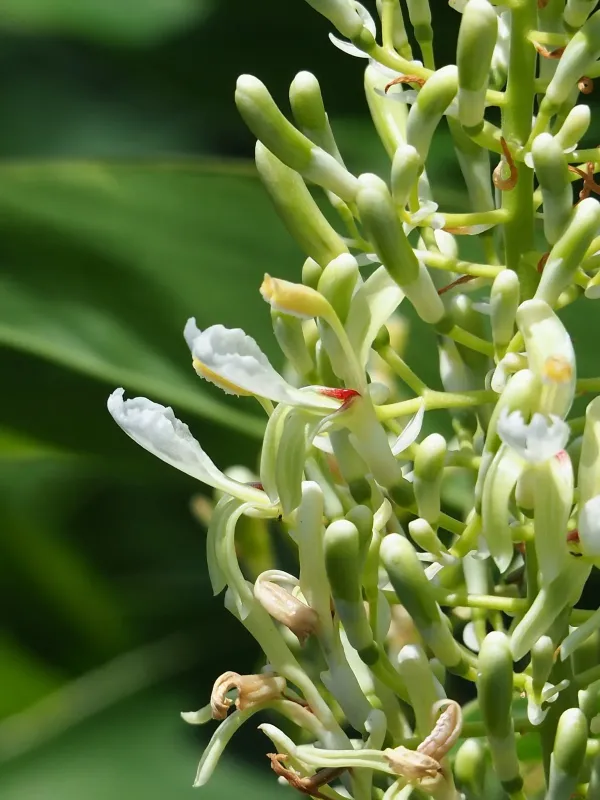
Description
Sowing dates
Alpinia galanga, a member of the Zingiberaceae family, is propagated primarily through the division of mature rhizomes. This asexual method ensures the preservation of the desired traits of the plant and provides a reliable starting point for industrial cultivation.
Planting typically takes place at the onset of the rainy season when the soil is warm and moisture levels are high. In tropical farming, constant humidity is essential to stimulate the rapid development of new shoots from the rhizome buds shortly after planting.
The field must be prepared by deep plowing and incorporating organic matter, such as compost or well-rotted manure, to create a friable soil structure. Rhizome sections with 2 to 3 healthy buds are selected to ensure vigorous growth and higher yield potential.
Spacing is a crucial factor for yield optimization, with a recommended distance of 40–50 cm between plants in rows, and 60–80 cm between rows. This spacing allows sufficient room for the plant to spread its rhizome mass during its two-year growth cycle.
The rhizomes are planted at a depth of 5–10 cm. Precise depth control prevents the rotting of the planting material in heavy soils and ensures that the emerging shoots reach the surface without depleting the stored energy of the mother rhizome.
Growing requirements
This crop is highly sensitive to temperature and requires a tropical climate with a range of +22°C to +32°C. Growth significantly slows down below +15°C, and exposure to frost will result in total plant mortality as it does not possess dormancy mechanisms for cold.
Alpinia galanga has a high water demand and requires consistent soil moisture throughout the vegetative stage. Irrigation management is critical, as water deficit can lead to stunted rhizome development and a significant reduction in the final harvest weight.
Optimal soil conditions include fertile, well-drained sandy loams or loams with a pH between 5.5 and 7.0. The crop is intolerant of waterlogging, which creates anaerobic conditions that rapidly lead to rhizome decay and fungal infestations.
The plant thrives in partial shade, making it highly suitable for agroforestry systems or intercropping with taller fruit trees. While it tolerates bright light, excessive direct sun can induce leaf scorch, reducing the photosynthetic efficiency of the plant.
Wind protection is necessary for maintaining a humid microclimate around the foliage. Strong winds not only damage the large leaves but also increase evapotranspiration rates, which forces the plant to divert energy toward water uptake rather than rhizome storage.
Main diseases and pests
Root rot caused by Pythium species is the most significant threat to Alpinia galanga, often resulting from poor drainage and excess water. This disease can devastate entire plantations if not managed through proper sanitation and soil aeration.
Nematodes represent a major pest risk, attacking the underground rhizomes and causing structural damage. This not only directly impacts the marketability of the product but also opens infection sites for bacterial pathogens that cause further tissue degradation.
Proactive disease management relies on the selection of clean, certified planting material and strict adherence to crop rotation cycles. Avoiding repetitive cultivation on the same land for at least 4–5 years significantly lowers the pathogen load.
Biological control methods are preferred for pest management to maintain the quality of the harvested product, as the crop is intended for consumption. Integrated Pest Management (IPM) practices provide a balanced approach to keeping insect populations below threshold levels.
Weed control is essential during the early stages of development. Weeds act as reservoirs for pests and pathogens and compete for nutrients, thus delaying the establishment of the canopy, which is necessary to shade the soil and suppress further weed growth.
Harvesting
The harvest cycle for Alpinia galanga typically spans 18 to 24 months. Farmers identify the harvest maturity when the aerial stems begin to yellow and wither, indicating that the rhizomes have reached their maximum dry matter and oil content.
Harvesting is performed manually using digging tools to gently extract the rhizomes from the soil. Care is taken to prevent bruising or cutting the rhizomes, as skin integrity is vital for protecting the product from post-harvest decay and microbial attack.
Once harvested, the rhizomes are cleaned of soil, and the foliage is removed. They are then washed and dried in shaded, well-ventilated areas to remove surface moisture, which prevents mold growth and prepares the product for storage or market distribution.
The commercial applications for this crop are diverse, ranging from culinary spice production to pharmaceutical use in anti-inflammatory supplements. The unique chemical profile, including galangal acetate, makes it a valuable commodity in global trade.
Storage requires cool temperatures (+10...+12°C) and high relative humidity to maintain freshness. Proper post-harvest handling ensures that the rhizomes retain their aromatic properties, allowing for a longer shelf life and better market value.