
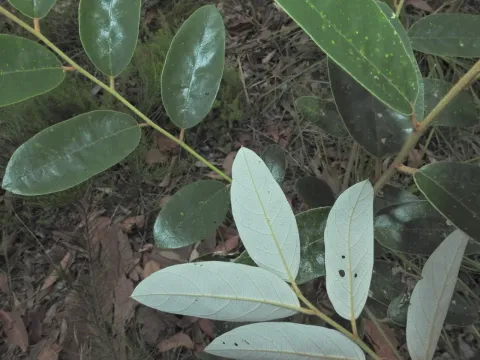
Alphitonia
Alphitonia
Alphitonia is a genus of evergreen trees and shrubs belonging to the Rhamnaceae family. These plants are primarily native to the tropical and subtropical regions of Southeast Asia, Australia, and the Pacific Islands, thriving in diverse ecological niches.
What the section contains


Alphitonia
The cultivation of Alphitonia requires a warm, humid climate, mimicking their native tropical environment. They prefer well-drained, nutrient-rich soils that support deep root growth, though some species have shown remarkable tolerance to poorer, rocky soil conditions.
Botanically, members of this genus are characterized by simple, alternate leaves and small, nondescript flowers grouped in cymes. The fruit is typically a dry, woody drupe, which is a distinctive feature used for identifying various species within the genus.
Agronomic management focuses on early-stage site selection to ensure adequate sunlight exposure. While young saplings may benefit from partial shade, mature trees generally require full sun to reach their full potential and achieve optimal wood quality.
The primary economic use of Alphitonia involves timber production. Its wood is known for its durability and moderate hardness, making it suitable for carpentry and general construction. Furthermore, traditional applications of bark and leaves in herbal medicine remain significant in specific cultural contexts.
Pathological threats include various fungal infections that can occur in high-humidity conditions, leading to leaf spot or root decay. Insect pests, such as wood-boring beetles and caterpillars, can also significantly impact tree health if not monitored consistently.