
Alphitonia zizyphoides
Alphitonia zizyphoides
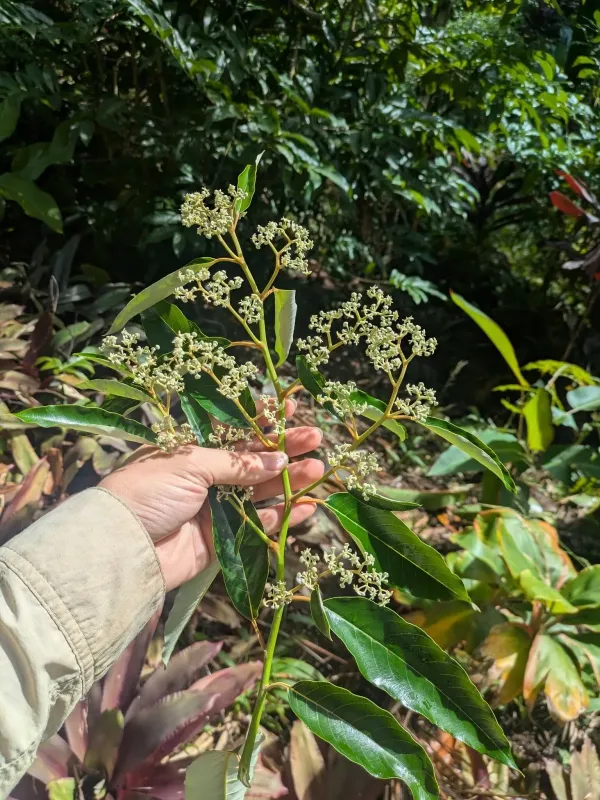
Description
Growing requirements
Alphitonia zizyphoides, belonging to the Rhamnaceae family, is a significant evergreen tree species primarily found in the islands of the Pacific Ocean. It serves as a vital component of local tropical forests, known for its structural strength and ecological adaptability in various lowland and mountain habitats.
The tree thrives in regions with high precipitation and consistent tropical temperatures. Its natural range is concentrated in archipelagos such as Fiji and Samoa, where it colonizes areas with deep, well-drained, and nutrient-rich soils that facilitate deep root development.
Agricultural success depends on providing optimal humidity levels and preventing waterlogging, which is critical for maintaining the health of its root system. Young seedlings require protection from direct harsh sunlight and wind, preferring shaded nursery conditions during the initial stages of establishment.
The species is primarily cultivated for its durable timber, which is highly valued for construction, flooring, and fine woodworking due to its resilience against decay. In addition to timber production, the tree holds cultural importance among Pacific island communities for its traditional medicinal properties found in the bark and leaves.
Effective management of this crop requires monitoring of soil fertility and the implementation of sustainable harvesting practices to preserve the ecological balance of the forest canopy. Proper spacing during plantation is essential to minimize competition for resources and maximize the growth rate of individual specimens.
Main diseases and pests
The main threats to plantations include fungal infections that target the roots and lower stems under high humidity conditions, often exacerbated by poor drainage. These pathogens can cause significant mortality among juvenile plants if not addressed with proper site selection.
Pests, particularly wood-boring beetles, represent a serious threat to the longevity of mature trees, potentially compromising the quality of the harvested wood. Integrated pest management, including regular inspections of tree trunks and the removal of severely affected individuals, is recommended to prevent infestation spread.