
California buckthorn
Rhamnus californica
Description
Growing requirements
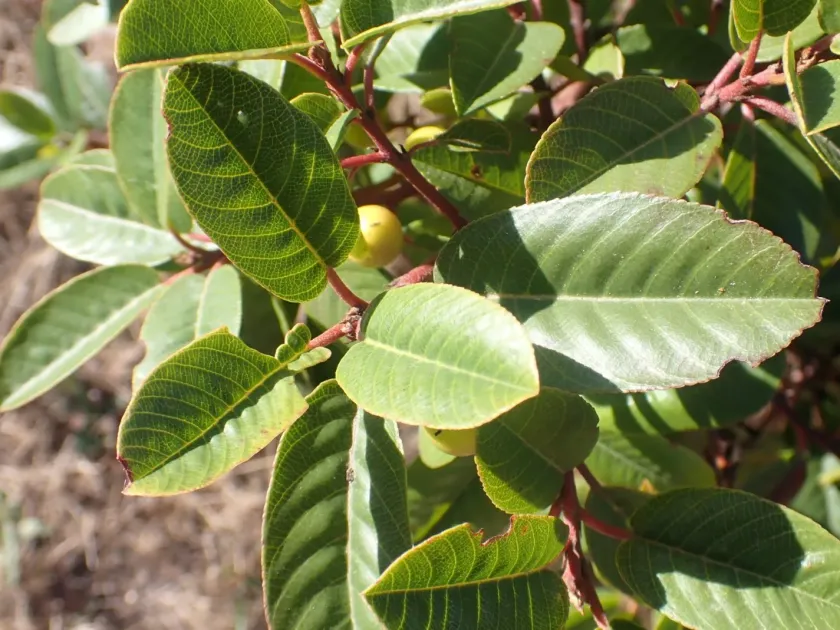
California buckthorn (Frangula californica, syn. Rhamnus californica) is a prominent member of the Rhamnaceae family. It is an evergreen shrub characterized by dark green leathery leaves and a robust, spreading habit reaching up to 4 meters in height.
The plant originates from the western regions of North America, particularly California. It thrives in chaparral ecosystems and woodlands, showing remarkable resilience to Mediterranean-style climates with distinct dry seasons.
Successful cultivation requires well-drained soils, ranging from sandy loams to rocky substrates. It is essential to avoid sites with heavy clay or poor drainage, as the roots are highly susceptible to rot if water persists near the collar.
The shrub prefers full sun to partial shade. While it is highly drought-tolerant once established, supplemental irrigation during the peak of summer is recommended to maintain optimal foliage density and overall plant vigor.
Economically, the plant is widely used in xeriscaping and ecological restoration projects. Its berries serve as a crucial food source for native wildlife, and the bark contains compounds traditionally used in medicinal preparations.
Main diseases and pests
Fungal infections, such as root rot (Phytophthora), represent the most significant threat to California buckthorn. These pathogens usually thrive in poorly aerated or waterlogged soils, necessitating proper site preparation.
Pests like scale insects and aphids can occasionally infest the stems and leaves, especially in sheltered spots with low air circulation. These pests can cause yellowing of the foliage and stunting of new growth.
Powdery mildew may appear on the leaves during periods of high humidity and cool temperatures. To prevent this, ensure sufficient spacing between plants to promote airflow through the branches.
Management involves periodic inspection of the foliage and stems. If an infestation is detected, physical removal of affected parts or the application of horticultural oils is often sufficient to control the population.
General plant health is maintained by avoiding overhead watering, which reduces the risk of leaf spot diseases. Keeping the base of the plant clear of debris also helps minimize the habitat for harmful pests and soil-borne fungi.