
Alphitonia excelsa
Alphitonia excelsa
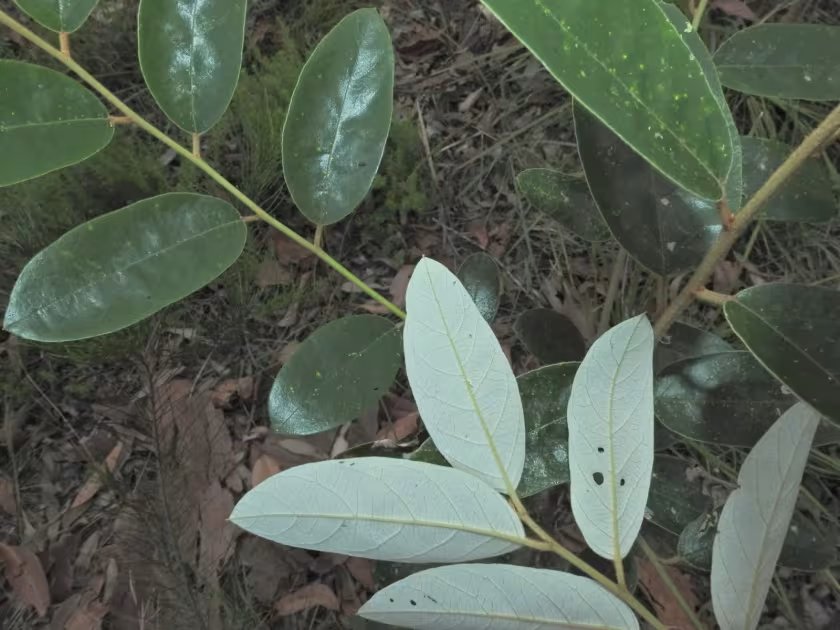
Description
Growing requirements
Alphitonia excelsa, commonly known as Red Ash, is a tree species belonging to the Rhamnaceae family. It is native to the northern and eastern parts of Australia, typically found in rainforest margins and sclerophyll forests.
The species is remarkably adaptable to various soil types, ranging from sandy loams to rocky slopes. It thrives best in well-drained conditions and does not require highly fertile soil, making it suitable for reforestation projects on degraded sites.
Regarding climate, the tree prefers tropical and subtropical environments. It is resilient to heat and can endure seasonal dry periods once established, provided it receives sufficient sunlight for optimal photosynthesis.
Agronomic management involves standard seedling care during the first two years, focusing on adequate irrigation until the root system is deep enough to access subsurface moisture. Pruning may be required for specific forestry purposes.
The wood of Alphitonia excelsa is highly valued for its strength, durability, and reddish hue. It is used in cabinetry, tool making, and general construction, providing economic value in sustainable forestry operations.
Main diseases and pests
The culture can be affected by specific insects such as leaf-eating beetles and wood-boring larvae. Regular field inspections are recommended to detect infestations before they impact overall tree health.
Fungal pathogens may cause root rot if trees are planted in waterlogged soils. Maintaining proper drainage and ensuring air movement within the forest stand are key preventive measures for a healthy plantation.
Young plants are susceptible to grazing by domestic and wild herbivores. Protecting newly established saplings with physical barriers is a standard practice to ensure high survival rates in the field.
Competition from aggressive invasive weeds can stunt the growth of young Alphitonia excelsa specimens. Weed management during the establishment phase is essential for rapid biomass accumulation.
By implementing integrated pest management (IPM) strategies, growers can significantly reduce the risk of biological threats and ensure a productive crop cycle for this versatile timber species.