
Alphitonia philippinensis
Alphitonia philippinensis
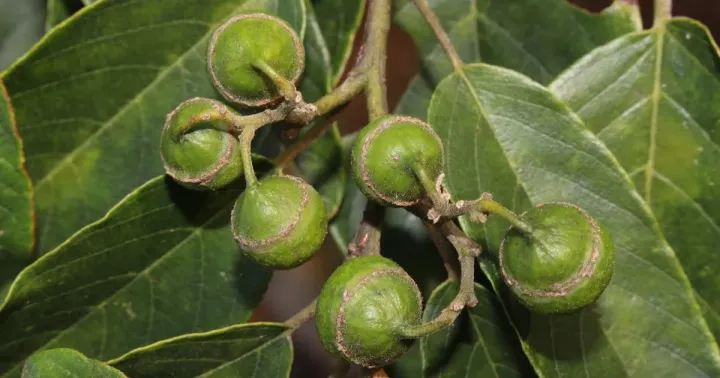
Description
Growing requirements
Alphitonia philippinensis is a prominent species belonging to the Rhamnaceae family. This evergreen tree is native to the tropical regions of Southeast Asia, specifically prevalent in the Philippine archipelago.
The tree thrives in environments characterized by high humidity and consistent tropical temperatures. It is commonly found in lowland tropical forests, often colonizing secondary growth areas where light is abundant.
Regarding soil requirements, this species prefers well-drained, fertile substrates that support rapid vegetative growth. While it is adaptable to various soil types, waterlogging should be avoided to ensure healthy root development.
Optimal growth is achieved in locations receiving high rainfall, though established trees demonstrate a moderate level of resilience during shorter dry seasons. Sufficient sunlight exposure is crucial for the development of a dense and healthy canopy.
Agricultural practices focus on sustainable management of natural populations rather than intensive farming. Propagation is typically achieved through seeds, which require careful handling and preparation to ensure high germination rates.
Harvesting
The primary utility of Alphitonia philippinensis is found in its high-quality timber. The wood is dense, durable, and resistant to environmental stress, making it highly suitable for construction and furniture manufacturing.
In addition to its structural applications, different parts of the tree are traditionally utilized in local medicinal practices. Research into the phytochemical properties of its bark and leaves is ongoing, aiming to identify bioactive compounds.
Harvesting operations are typically governed by local forestry regulations to prevent ecological degradation. Sustainable practices ensure that the species continues to play its role within the tropical forest ecosystem.
Post-harvest processing involves seasoning the timber to prevent warping and cracking. This meticulous preparation is essential for maintaining the integrity and aesthetic appeal of the wood for industrial and artisanal use.
Beyond its economic value, the tree provides significant ecological services. It contributes to canopy structure, nutrient cycling, and provides essential habitat for various fauna within its native range.