
Alphitonia ponderosa
Alphitonia ponderosa
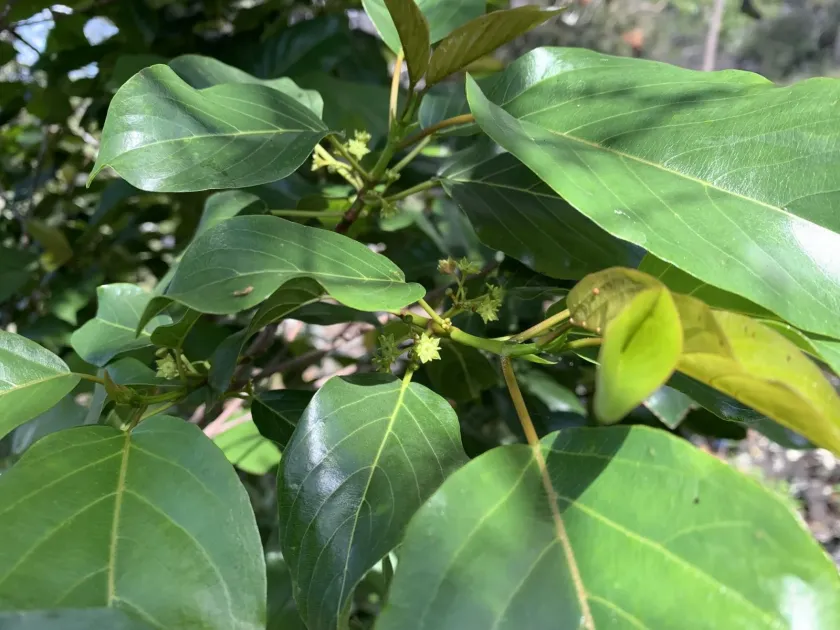
Description
Growing requirements
Alphitonia ponderosa, commonly known as Kauila, is a tree species belonging to the Rhamnaceae family. It is endemic to the Hawaiian Islands, thriving primarily in dry to moderately moist forest ecosystems ranging from lowlands to sub-alpine altitudes.
The species requires well-drained volcanic soils to prevent root rot, which is the primary constraint in cultivation. It is remarkably drought-tolerant, making it an excellent candidate for reforestation in arid tropical environments where other species might struggle to survive.
Botanically, this evergreen tree features smooth, grayish bark and simple, alternate leaves with a leathery texture. Its small, inconspicuous flowers are clustered in cymes, eventually producing dry, capsular fruits that harbor small, viable seeds for propagation.
Successful management of this culture depends on mimicking its natural habitat. It prefers consistent tropical temperatures and dislikes cold, frost-prone environments. Proper soil aeration is essential for optimal growth rates in both seedling and mature stages.
Due to its specialized requirements, it is generally not cultivated in traditional row-cropping systems. Instead, it is managed within forestry conservation frameworks to promote biodiversity and restore the structural integrity of degraded forest landscapes.
Harvesting
The economic value of Alphitonia ponderosa is defined by its exceptionally dense, heavy, and durable wood. Traditionally, this timber was used by indigenous Hawaiians to craft high-quality tools, weapons, and structural components for canoes due to its extreme longevity.
Harvesting practices today are strictly regulated to protect the remaining populations. Because the tree grows slowly, sustainable forest management plans emphasize selective harvesting and active replanting to ensure the continued availability of the timber resource.
Seed collection involves monitoring the fruit maturation cycle to ensure high viability. Seeds are typically cleaned and germinated in controlled nursery conditions before being outplanted into protected areas to minimize mortality rates during the establishment phase.
Processing the wood is a skilled craft, as the hardness of the timber makes it difficult to work with standard manual tools. Specialized power tools and sanding techniques are required to achieve a smooth finish that highlights its deep red-brown natural color.
Beyond timber production, Alphitonia ponderosa provides significant ecological benefits. Its role in soil stabilization and as a niche habitat for local fauna makes it a cornerstone species for environmental restoration projects throughout its natural range.