
Alophia
Alophia
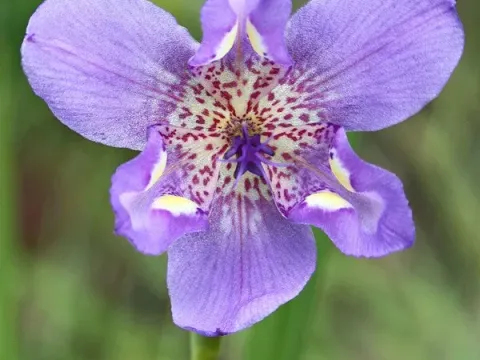
Alophia is a genus of perennial herbaceous plants belonging to the Iridaceae family. These plants are native to the Americas, with a distribution range extending from the southern United States through Central and South America to Argentina.
What the section contains

Alophia
Cultivation requires locations with full sun exposure and well-drained, porous soil. These bulbs are highly susceptible to rot, making effective drainage a priority to prevent water stagnation around the root system during the dormant phase.
As a plant of tropical and subtropical origin, Alophia thrives in warm environments. In regions with freezing winters, the bulbs must be lifted and stored in a dry, cool place or grown in pots that can be moved indoors before the first frost.
The ideal potting mix should be light and aerated, composed of humus-rich earth mixed with coarse sand or perlite. Maintaining proper soil structure is essential for root health and overall plant vigor.
Irrigation management involves consistent watering during the growing season, gradually tapering off as the foliage begins to yellow. This cycle mimics the natural dry and wet seasons of their native habitats.
Root and bulb rot are the primary threats to Alophia, typically resulting from poor soil drainage or excessive irrigation. These conditions facilitate the growth of various pathogenic fungi.
Preventative measures include applying fungicides to the bulbs before planting and ensuring the growing site has excellent drainage characteristics. Avoiding direct contact between water and the bulb neck is crucial.
Pests such as thrips, aphids, and spider mites can infest the foliage, particularly when grown in greenhouse conditions with low humidity. Early detection is vital for controlling these outbreaks.
If an infestation is identified, the application of appropriate systemic insecticides or horticultural oils is recommended to manage the pest populations and protect the plant's health.
Sanitation practices, such as removing dead organic matter and keeping the cultivation area free of debris, are essential for maintaining a healthy environment and preventing future disease cycles.