
Alophia veracruzana
Alophia veracruzana
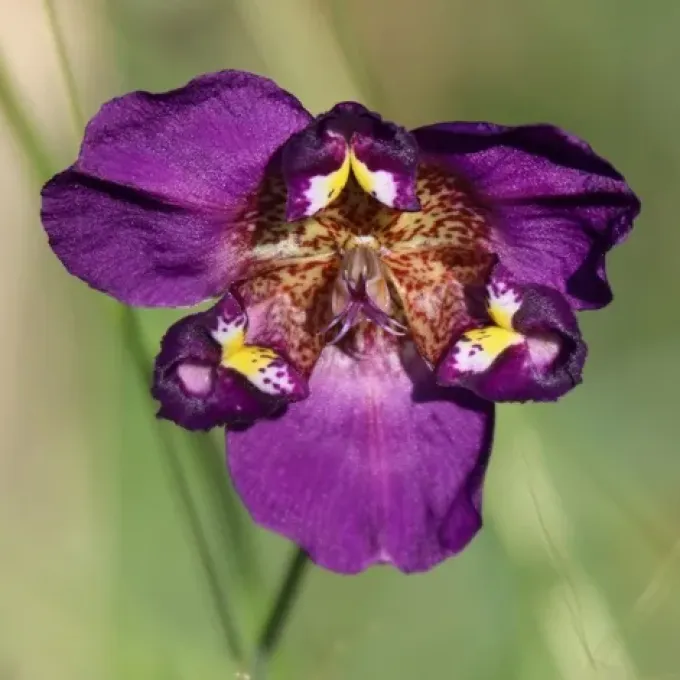
Description
Growing requirements
Alophia veracruzana is a perennial herbaceous plant classified within the Iridaceae family. Native to the Veracruz region in Mexico, this species has evolved to thrive in specific subtropical microclimates characterized by distinct wet and dry seasonal patterns.
Botanically, it is a bulbous geophyte, utilizing its underground storage organs to survive periods of dormancy. The plant is noted for its elegant, ephemeral flowers that embody the characteristic morphology of the Iridoideae subfamily.
Cultivation requires strict adherence to soil composition protocols. It thrives in well-draining, porous media, such as a mix of grit, peat, and organic matter, ensuring that water does not accumulate around the bulbous roots to prevent fungal issues.
Optimal growth conditions involve bright, indirect lighting. While it requires a significant amount of light to support flower production, intense midday heat can stress the foliage, necessitating either partial shade or careful placement in a conservatory setting.
The primary use of Alophia veracruzana is as a specialized ornamental plant. Due to its relative rarity and sensitivity to environmental changes, it is frequently cultivated by collectors and in controlled botanical environments rather than as a mass-market crop.
Main diseases and pests
The most significant threat to the survival of Alophia veracruzana is the onset of root and bulb rot, which is almost exclusively associated with improper moisture management and heavy, water-retentive soils.
Sucking pests such as spider mites and thrips pose a consistent risk to the plant's aesthetic value, particularly when kept in dry, indoor environments with poor air circulation.
Preventative care involves the strategic application of systemic fungicides during the onset of the growing season to mitigate the risk of soil-borne pathogens.
Integrated pest management, including the use of neem oil or insecticidal soaps, is highly effective in controlling populations of pests without damaging the sensitive leaf tissues.
Maintaining a clear period of dormancy is essential; storing the bulbs in a dry, cool place after the foliage has died back significantly reduces the susceptibility to opportunistic diseases during the winter months.