
Alluaudia humbertii
Alluaudia humbertii
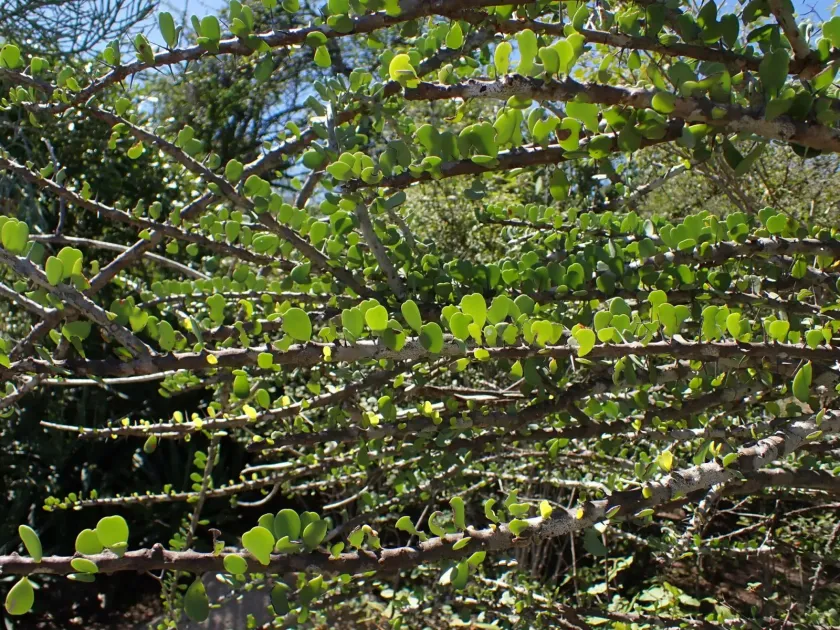
Description
Growing requirements
Alluaudia humbertii is a distinct succulent species belonging to the Didiereaceae family. Known for its slender, branching stems and unique leaf arrangement, it is a highly valued ornamental plant.
Originating from the island of Madagascar, this species is endemic to the southern and southwestern arid regions. It thrives in high-temperature environments with low annual rainfall levels.
Botanically, it is characterized by its woody, spiny stems that can form dense thickets. The leaves are small, typically appearing in pairs along the branches, which helps the plant reduce moisture loss.
Optimal growth requires high levels of solar radiation and well-ventilated conditions. It cannot tolerate shade, as insufficient light leads to etiolation and a loss of structural integrity.
The substrate must be extremely well-draining, consisting of a mix of sand, pumice, and minimal organic matter. Soil moisture control is the most critical aspect of the plant's husbandry.
Main diseases and pests
The primary threat to the vitality of the plant is fungal pathogen colonization in the root system. This is almost exclusively caused by overwatering or using a medium with poor drainage.
Pests like mealybugs can nestle between the spines, making them difficult to detect and eradicate. Frequent monitoring is necessary to prevent these sap-sucking insects from weakening the plant structure.
Harvesting
Propagation is the main form of harvest in a nursery setting. Cuttings are carefully selected, treated to prevent rot, and rooted in a sterile, inorganic growing medium under warm conditions.