
Alluaudia dumosa
Alluaudia dumosa
Description
Growing requirements
Alluaudia dumosa is a fascinating species belonging to the Didiereaceae family. This shrub-like succulent is native to the arid regions of Madagascar, where it has evolved to thrive in high-heat and low-water environments.
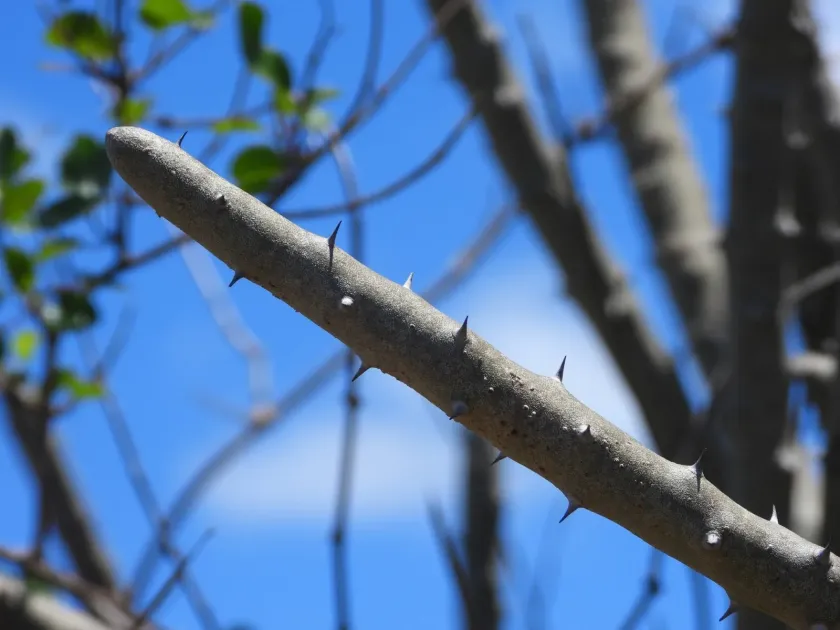
The plant is characterized by its unique green, cylindrical, and leafless stems that perform photosynthesis. This structural adaptation allows the plant to conserve moisture effectively during the long dry seasons typical of its natural range.
Agricultural requirements for this crop focus on providing intense sunlight and highly permeable, well-draining mineral soil. Adequate airflow is essential to prevent moisture accumulation around the base of the plant.
The climate for successful growth should mimic the warm, semi-arid conditions of its origin. During the dormant season, the plant requires a cool, dry period to trigger proper growth cycles and prevent vegetative collapse.
Its primary use is in ornamental horticulture and specialized succulent collections. It is an excellent choice for xeriscaping, provided the local climate conditions are monitored to prevent frost or excessive humidity exposure.
Main diseases and pests
The main threat to the vitality of the plant is root rot, caused by overwatering or soil compaction. Maintaining a strict irrigation schedule is crucial for the long-term survival of the crop in a controlled environment.
Common pests such as mealybugs and spider mites can infest the plant, particularly if it is kept in stagnant or dry air conditions. Routine monitoring and the application of appropriate acaricides or insecticides are recommended.