
Alluaudia comosa
Alluaudia comosa
Description
Growing requirements
Alluaudia comosa is a remarkable succulent shrub native to the arid southern regions of Madagascar. It belongs to the Didiereaceae family and is highly adapted to extreme environmental conditions, characterized by high temperatures and prolonged periods of drought.
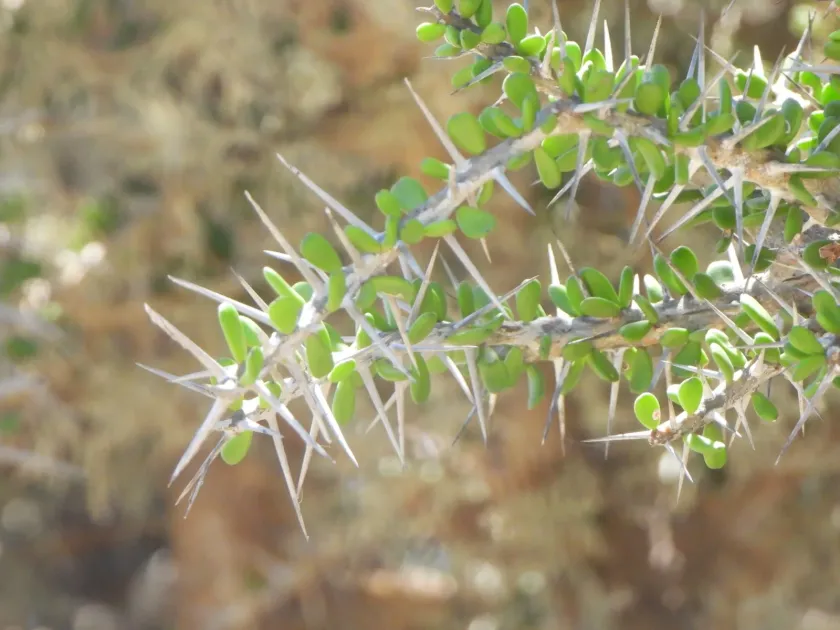
The plant grows as a slender, spiny stem structure that produces small, deciduous leaves in clusters. In cultivation, it requires a high-intensity light environment, making it suitable for greenhouses or south-facing windows where it can receive direct sun for most of the day.
Proper drainage is the most critical factor in soil management. A highly porous substrate is essential to prevent root rot, typically consisting of a mix of coarse pumice, sand, and a small fraction of organic matter to allow moisture to pass through rapidly.
Temperature management should mimic the Madagascar climate, favoring warm, active growth during summer months. During the winter dormancy period, temperatures should be lowered to 12–15°C to facilitate metabolic rest and maintain plant vigor for the next season.
Watering requires strict monitoring. During the growing season, deep watering should only be applied once the substrate is completely dry. Any water accumulation around the roots during cool weather will almost certainly lead to rapid decline and plant death.
Main diseases and pests
The most significant threat to Alluaudia comosa is fungal infection resulting from over-watering or stagnant airflow. Once rot settles into the core of the succulent stem, it is extremely difficult to reverse the damage.
Pest issues include common succulent parasites such as mealybugs and scale insects. These pests are particularly difficult to treat due to the dense arrangement of thorns and leaves, which provide shelter for insects to feed undetected.
Spider mites are another potential threat, especially in environments with low humidity. They can cause surface disfigurement and weaken the plant's overall photosynthetic capability by damaging the epidermis.
Chemical intervention should be used sparingly. Systemic insecticides are generally effective, but one must ensure the concentration is appropriate for desert succulents to prevent phytotoxicity.
Regular visual inspections are the best defense against pests. Keeping the plant in a well-ventilated area with good air circulation significantly reduces the risk of both pest infestations and fungal pathogens.