
Aiphanes horrida
Aiphanes horrida
Description
Sowing dates
Propagation of Aiphanes horrida is primarily achieved through seeds, which often have a hard coat requiring scarification to improve germination rates.
The seeds are sown in a light, well-draining soil mix rich in organic matter, maintaining a constant temperature of 25–30 degrees Celsius.
Seedlings develop relatively slowly and require high humidity levels to thrive during the initial stages of growth in the nursery environment.
Acclimatization is a critical phase; young plants should be gradually introduced to direct sunlight to prevent leaf scorch and stress.
Transplanting to the field is recommended during the rainy season to ensure deep root establishment and minimize water stress on young palms.
Growing requirements
Aiphanes horrida is an ornamental and potentially agricultural palm belonging to the Arecaceae family, native to tropical South and Central America.
It thrives in humid tropical environments, requiring consistent rainfall or irrigation and protection from intense, dry winds that desiccate the foliage.
The ideal soil is nutrient-rich, loamy, and possesses excellent drainage capabilities to prevent the accumulation of water around the roots.
The plant demonstrates a preference for filtered light, especially in its juvenile stage, though mature palms can tolerate full tropical sun.
Soil nutrient management, specifically supplementing with magnesium, potassium, and nitrogen, is vital for maintaining leaf health and fruit yield.
Yield
The fruit of Aiphanes horrida is a small drupe, rich in edible oils, which makes the plant an interesting subject for local agroforestry projects.
Yield capacity improves significantly with age, with mature palms producing multiple large, heavy clusters of fruit throughout the ripening season.
While not a major commercial crop globally, its fruit is highly valued locally for its caloric density and oil content used in traditional cuisines.
Regular maintenance, including weeding and fertilization, directly correlates to an increase in the number of fruits per cluster.
Harvesting efficiency is improved when plants are managed in organized blocks, allowing for easier access to the productive canopy.
Main diseases and pests
Fungal pathogens represent the primary threat to Aiphanes horrida, particularly in conditions with poor drainage and excessive moisture.
Various species of palm weevils pose a significant risk, as they bore into the trunk and crown, often proving fatal to the entire plant.
Leaf-feeding insects can reduce photosynthetic efficiency, which necessitates regular scouting and timely intervention using organic control methods.
Root rot is frequently associated with soil compaction and waterlogging; thus, maintaining soil structure is a priority for every farmer.
Physical damage from wildlife or improper pruning can create entry points for pests, highlighting the need for careful maintenance practices.
Harvesting
Harvesting is performed when the skin of the drupes turns a deep, mature color, signaling peak oil content and ripeness.
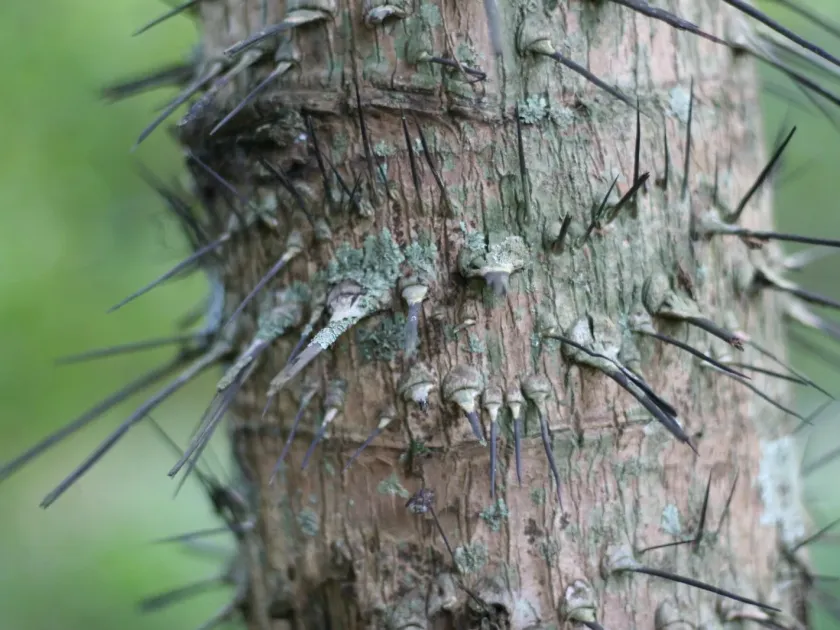
Workers must wear heavy-duty protective gear due to the intimidating, sharp spines covering the trunk and leaf stems of the palm.
Clusters are harvested using specialized cutting tools, ensuring the weight of the bunch is supported to prevent it from hitting the ground.
Post-harvest handling focuses on preventing heat accumulation, which could lead to rapid oxidation and degradation of the natural oils.
Once gathered, the fruit is quickly transported to a processing facility where it is cleaned, sorted, and prepared for oil extraction.