
Aiphanes minima
Aiphanes minima
Description
Growing requirements
Aiphanes minima is a distinctive palm species belonging to the family Arecaceae. Native to the Caribbean islands, specifically the Lesser Antilles, this plant is well-adapted to humid tropical environments and mountainous forest regions.
Climate requirements for this species include high humidity and consistent tropical temperatures. It is highly sensitive to cold and does not tolerate frost, necessitating greenhouse conditions in regions outside of the tropics.
The soil profile should consist of a well-draining medium, rich in organic matter. A mix of peat, bark, and perlite is often used to ensure root aeration and prevent the waterlogging that is detrimental to the plant's health.
Proper light exposure is critical for the development of Aiphanes minima. It thrives in bright, filtered light; however, it can tolerate partial shade in hotter climates to prevent leaf scorching and desiccation of the delicate leaflets.
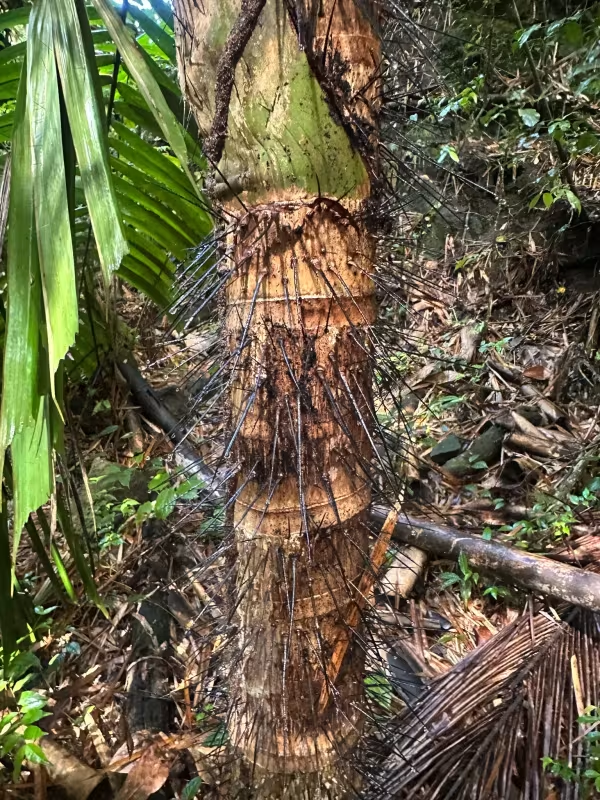
The cultural use of this plant is primarily ornamental. It is highly valued in botanical collections for its unique appearance, characterized by a trunk densely covered in sharp, needle-like spines, making it a focal point in specialized landscapes.
Main diseases and pests
Scale insects and mealybugs represent the primary pest threats to Aiphanes minima. These insects colonize the foliage and leaf bases, weakening the plant by extracting sap and encouraging the growth of sooty mold.
Root rot, often caused by Pythium or Phytophthora fungi, is a frequent threat in overly wet or poorly drained soils. Preventive measures include strictly controlled irrigation cycles and the use of sterile growing media.
Leaf spot diseases, induced by moisture-loving fungi, can impact the plant's aesthetic value. Maintaining air circulation around the canopy is essential to minimize the time leaves remain wet and vulnerable to fungal spores.
Nutrient deficiencies, particularly involving nitrogen and magnesium, can occur in container-grown specimens. Regular applications of a balanced palm fertilizer are required to maintain healthy growth and prevent chlorosis.
Mechanical damage to the trunk or roots can act as an entry point for various pathogens. Pruning should be performed with sanitized tools to minimize the risk of infection and preserve the overall vigor of the palm.