
Hybrid Agapanthus
Agapanthus inapertus x Agapanthus praecox subsp orientalis
Description
Growing requirements
Hybrid Agapanthus (a cross between Agapanthus inapertus and Agapanthus praecox subsp. orientalis) is a herbaceous perennial belonging to the Amaryllidaceae family. It is widely cultivated for its architectural form and stunning, long-lasting floral displays, which are highly valued in both ornamental landscaping and commercial flower production.
Originally derived from South African species, this hybrid is well-adapted to Mediterranean-style climates. In regions with freezing winters, it is typically grown as a container plant, allowing it to be moved into protected environments during the cold season, as it lacks high frost tolerance.
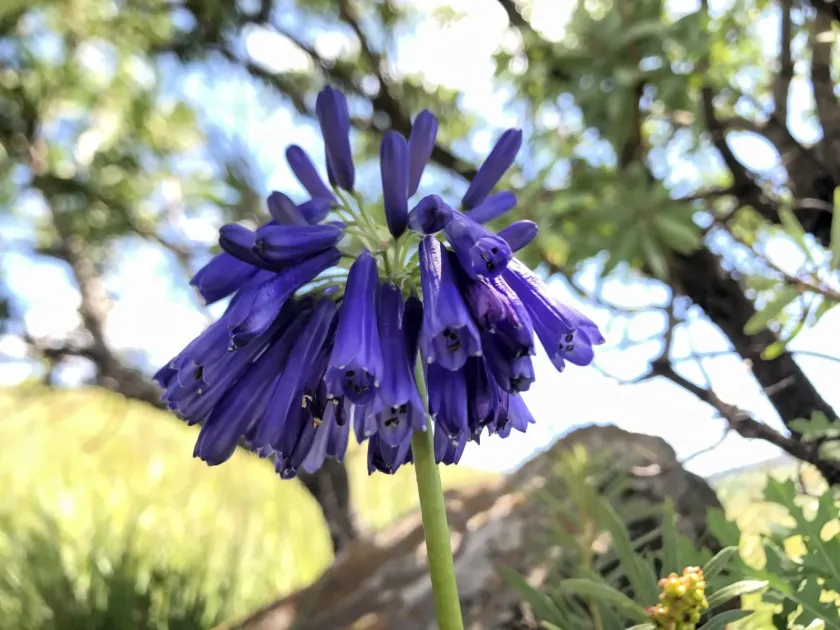
The plant structure consists of a robust root system (rhizomes) and a dense basal rosette of strap-shaped, leathery leaves. The flowering scapes can reach significant heights, supporting large, globular umbels containing numerous funnel-shaped florets in various shades of blue, violet, or white, depending on the specific hybridization.
Successful cultivation requires a location with full exposure to sunlight to encourage maximum bloom production. The plant thrives in deep, fertile, and well-drained loamy soils. Soil aeration is critical, as stagnant moisture around the rhizomes often leads to rapid deterioration and death of the plant.
Agronomic management includes a consistent watering regime during the peak growing season, transitioning to a drier period after flowering to induce dormancy. Fertilizer application is recommended in early spring to support the development of new foliage and the subsequent formation of flower buds.
Main diseases and pests
The most significant threats to Agapanthus hybrids are physiological disorders caused by poor drainage, leading to root rot. Pathogenic fungi such as Fusarium often exploit waterlogged conditions to infect the rhizome system, which can be fatal to the plant.
Pest pressure is primarily driven by gastropods like slugs and snails, which can severely damage the tender leaves and developing flower stalks. In glasshouse or indoor environments, sap-sucking pests such as spider mites and mealybugs are frequently observed, particularly when humidity levels are inadequate.
Disease management involves strict water control and the use of fungicides as a curative measure for fungal infections. Proper cultural practices, including providing adequate spacing for airflow, significantly reduce the incidence of disease and pest outbreaks.
In cases of heavy infestation, specific systemic insecticides or acaricides may be required, though these should be used sparingly to avoid harming beneficial pollinators. Regularly removing dead or yellowing foliage maintains plant hygiene and helps prevent the spread of opportunistic fungi.
Winter maintenance is essential; ensuring the rhizomes are stored in a cool, dry, and frost-free environment prevents decay. Re-potting every few years not only refreshes the nutrient supply but also allows for the removal of crowded or necrotic roots, promoting long-term vigor.