

Controller
Ф.Меатон Лімітед, Лондон, Великобританія.
Herbicides
0
0
·
748
2 offers
40.19 €per pack
Buy
Ammi visnaga
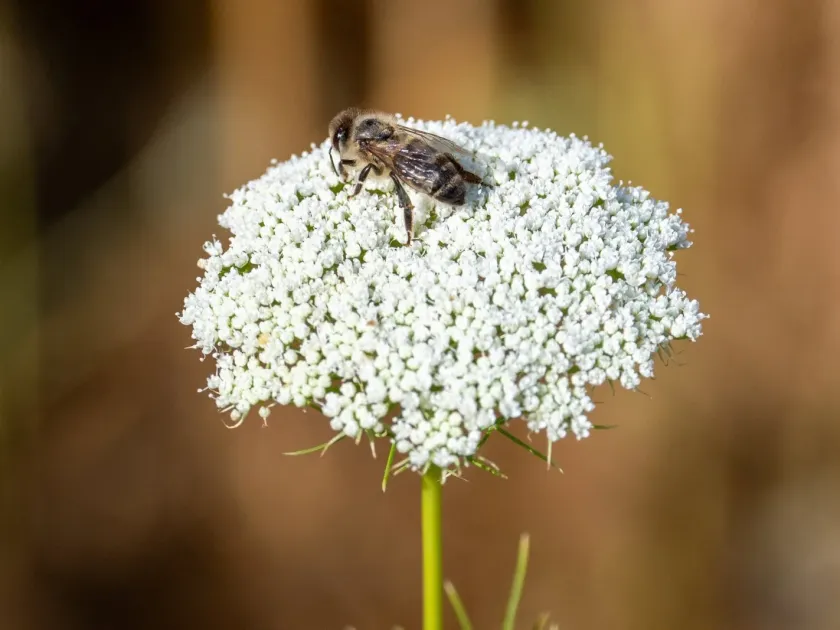
Ammi visnaga, commonly known as bishop's weed or toothpick weed, is an annual or biennial herbaceous plant belonging to the Apiaceae (carrot) family. It typically grows to a height of about one meter.
The plant is distinguished by its finely divided, feathery leaves that create a delicate, lacy appearance. This morphology is characteristic of many members of the carrot family.
It features large, flat-topped compound umbels. After flowering, the stalks of the umbel become hardened and woody, often curving inwards to enclose the maturing fruits.
The flowers are small, white, and organized in dense clusters. Blooming in mid-summer, the plant produces numerous seeds that are highly adaptable to environmental conditions.
The fruits are oblong, greyish-brown schizocarps that shatter easily. Once mature, the seeds are dispersed by wind, water, or agricultural machinery, leading to significant field contamination.
Ammi visnaga thrives in sunny, warm environments. It is commonly found in disturbed soils, roadsides, waste areas, and the edges of cultivated agricultural fields.
In agricultural settings, it frequently appears as an opportunistic weed in cereal and legume crops, particularly in areas with reduced tillage or inconsistent weed control programs.
The plant adapts well to various soil types but prefers well-drained, fertile soils where moisture is available. It is capable of rapidly colonizing areas where competition is low.
Dispersal is frequently facilitated by human activity. Contaminated seeds are often spread through equipment movement between different plots of land during tillage or harvest.
It acts as a prolific seed producer, ensuring that once a population is established in a field, it remains a persistent management challenge for several growing seasons.
The primary harm caused by Ammi visnaga is its aggressive competition with crop plants for space, water, and essential soil nutrients, which can significantly stunt crop development.
Dense stands of the weed shade young crop plants, hindering photosynthesis and reducing the overall vigor of the main crop during critical growth stages.
The presence of woody stems during harvest can cause mechanical issues in combines, including plugging of sieves and increased wear on machinery, leading to operational downtime.
Seed contamination in harvested grains necessitates intensive post-harvest processing and cleaning, which adds significant costs and may reduce the market grade of the product.
Furthermore, as a member of the Apiaceae family, it can harbor various pests and plant pathogens, acting as a green bridge for diseases that affect related high-value crops.
Integrated weed management is crucial for Ammi visnaga. Cultural practices such as deep moldboard plowing help bury seeds, significantly reducing their germination potential.
Crop rotation remains one of the most effective strategies to disrupt the lifecycle of the weed, allowing for the use of different herbicide modes of action to manage populations.
Timely mechanical cultivation between crop rows can successfully eliminate seedlings and young plants before they reach the flowering stage and produce seeds.
Chemical control involving systemic herbicides is effective when applied during the vegetative stage. Proper timing is key, as the plant becomes more resistant to chemicals as it matures.