Goltix Gold, MC (metamitron, 700 g/l)
Adam Aghan Ltd., Israel
Herbicides
0
0
·
32
1 offer
20.99 €per 1 l
Buy
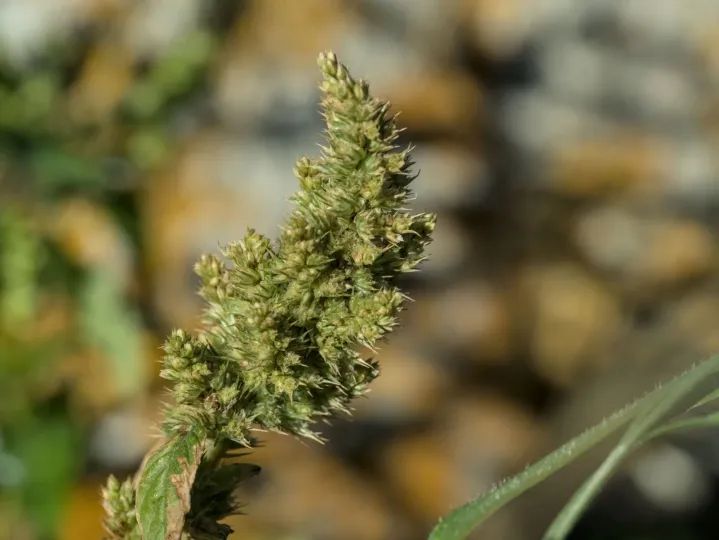
Redroot pigweed (Amaranthus retroflexus) is a summer annual weed belonging to the Amaranthaceae family. It is characterized by a stout, erect, and often branched stem reaching up to 1.5 meters.
The leaves are alternate, ovate to rhombic in shape, with distinct veins and often a dull green color, sometimes showing a reddish tint at the base of the plant.
Its inflorescence is a large, dense, terminal panicle composed of numerous tiny greenish flowers that can produce an incredible amount of seeds during the season.
The root system is a deep taproot, which is often reddish in color, allowing the plant to remain anchored and extract nutrients even in compacted or dry soils.
The seeds are small, glossy, lens-shaped, and dark brown to black. They possess high longevity, remaining viable in the soil seed bank for several decades.
Redroot pigweed is a cosmopolitan weed that thrives in nutrient-rich, cultivated soils. It is particularly aggressive in agricultural environments across the globe.
It prefers warm weather and is a primary competitor in corn, soybean, cotton, and vegetable fields, where it can quickly establish dominance if left unchecked.
This species is highly adaptable to various soil types, ranging from sandy loams to heavy clays, as long as it receives sufficient sunlight for its rapid development.
It is frequently found in disturbed sites, such as construction areas, roadsides, and abandoned lots, which serve as reservoirs for future infestations of crops.
Due to its rapid growth rate, it often emerges ahead of many crop seedlings, quickly outcompeting them for space and light during the critical growth phase.
The primary harm is competition for soil moisture and nutrients. Pigweed is a heavy feeder that can significantly reduce the yield potential of surrounding crops.
By shading the crop canopy, redroot pigweed inhibits photosynthesis, leading to stunted growth, reduced biomass, and delayed maturity of the cultivated plants.
The weed acts as a host for various insects, such as lygus bugs and aphids, and can spread viral diseases, including curly top virus, which negatively affects crop quality.
In harvesting operations, the thick and succulent stems of the pigweed can interfere with machinery, causing clogging and increasing fuel consumption and downtime.
Contamination of grain harvests with pigweed seeds leads to significant dockage at grain elevators, directly reducing the market value of the harvested produce.
Cultural control is centered on tillage, specifically moldboard plowing, which buries seeds deep enough to prevent emergence, coupled with clean seed use.
Mechanical cultivation between rows is highly effective for controlling pigweed before the crop canopy closes and makes mechanical access impossible.
Chemical control involves the use of pre-emergent and post-emergent herbicides. Because resistance to certain herbicides is documented, integrated pest management is vital.
Crop rotation helps disrupt the life cycle of the weed, especially when alternating between competitive crops and those that allow for different herbicide chemistries.
Sanitation of field borders and irrigation ditches is essential to minimize the seed rain that re-introduces the weed into cleaned agricultural areas every year.