
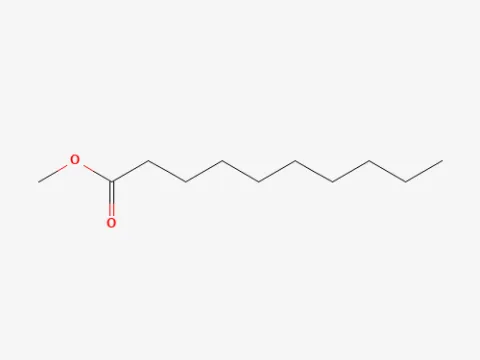
Methyl decanoate
Methyl decanoate is an ester of a fatty acid that serves as a powerful contact desiccant and growth regulator in various agricultural practices.
What the section contains
Methyl decanoate
The chemical works by disrupting the waxy cuticle layer of plant surfaces, which leads to immediate cellular dehydration and the collapse of the plant tissue.
Due to its non-systemic nature, the substance acts only where the spray droplets make physical contact, ensuring high precision in targeted plant parts.
The biochemical degradation process is rapid, making it an environmentally favorable alternative to persistent synthetic chemical agents.
Upon application, the rapid loss of turgor pressure leads to visible wilting, which is a hallmark of the immediate efficacy of this group of compounds.
The primary use of methyl decanoate is the suppression of lateral shoots (suckers) in tobacco cultivation without harming the main crop stem.
It is widely utilized as a chemical desiccant to dry down crops, thereby facilitating more efficient mechanical harvesting and reducing moisture levels.
The substance is effective against young, herbaceous weeds that lack a developed, protective cuticle layer, providing a burn-down effect.
It can be applied in specialized crop management programs to control excessive vegetative growth that hinders the development of fruits or leaves.
Agricultural professionals use it to manage crop maturity, ensuring that harvest windows are optimized based on specific weather conditions.
Application rates are determined by the canopy density and the specific biological target, such as the size of suckers or weed pressure levels.
Proper timing is critical; applications should occur when the target tissues are in an active growth phase to maximize the efficacy of the chemical.
Ensuring complete coverage is essential because the contact mechanism requires the liquid to coat the specific plant organs thoroughly.
Environmental conditions, such as temperature and humidity, must be monitored to ensure the substance does not evaporate prematurely after application.
Integrated programs often suggest specific surfactants to improve the wetting capacity and adhesion of the spray solution to the plant cuticle.
A significant limitation is the vulnerability to rainfall; if precipitation occurs shortly after application, the chemical effectiveness is greatly diminished.
Users must be aware that repeated applications might be necessary in cases of prolonged growth periods of the target weeds or suckers.
Safety protocols are mandatory, as the substance can act as a skin and eye irritant, requiring appropriate personal protective equipment during handling.
Storage must be handled with care in a cool, ventilated area away from oxidizing materials and high temperatures to prevent chemical degradation.
Spray drift must be strictly managed to prevent accidental damage to adjacent non-target crops that may be susceptible to fatty acid ester exposure.