
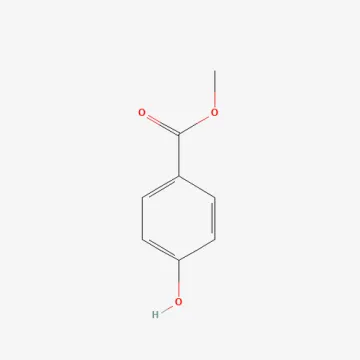
Methylparaben
Description
Mode of action
Methylparaben, chemically known as methyl para-hydroxybenzoate, serves as a crucial antiseptic and stabilizing agent in the field of modern plant protection products.
The biological mechanism involves interfering with the microbial cell membrane permeability. This disruption prevents the transport of essential nutrients and inhibits the enzymes required for fungal metabolism.
In formulated pesticides, methylparaben acts as a preservative. It protects the integrity of other active ingredients by preventing bacterial or fungal growth within the product container during storage.
The substance exhibits significant fungistatic properties, preventing the germination of spores and the development of mycelium on the surface of seeds and leaves.
By enhancing the chemical stability of the pesticide formulation, methylparaben ensures that the product maintains its effectiveness throughout its shelf life and during application in the field.
What it targets
This compound is primarily used to control fungal pathogens and spoilage microorganisms that threaten seeds and seedlings at the early stages of crop development.
It is specifically effective against surface-borne pathogens that cause decay and damping-off. It provides a protective barrier against molds and bacteria that thrive in moist environments.
Target applications include treating seeds of cereals, legumes, and various vegetable crops to prevent seed rot and ensure a high germination rate.
- Fusarium wilt pathogens.
- Storage molds (Aspergillus spp., Penicillium spp.).
- Early-stage bacterial infections.
Additionally, it is utilized in the sanitation of agricultural storage facilities to reduce the overall pathogen pressure on harvested produce.
Rates and timing
Application rates depend on the specific formulation of the plant protection product. Typically, the concentration of methylparaben in a working solution ranges from 0.1% to 0.5%.
Treatment timing varies based on the cultivation stage. Seed dressing is recommended prior to planting to maximize the protective impact during germination.
The frequency of application is strictly regulated by the product label. Following these instructions ensures effective control while minimizing environmental chemical load.
Proper coverage is essential for the efficacy of the treatment. When applying, ensure uniform distribution of the solution across all seed surfaces or plant tissues.
Environmental conditions, such as temperature, should be considered as they influence the stability of the compound. Applications should ideally be performed under stable, moderate conditions.
Restrictions
Users must adhere to standard safety protocols, including the use of protective clothing, gloves, and respirators during the preparation and application of the solution.
Direct exposure of waterways to the product must be avoided. The chemical is subject to local environmental regulations regarding its impact on aquatic life.
Storage must be in the original, tightly closed containers kept in cool, dry, and well-ventilated areas, away from direct sunlight and reach of children.
Compatibility testing is required when combining methylparaben-based products with other fertilizers or pesticides to avoid physical-chemical reactions like precipitation.
Safe disposal of empty containers and unused pesticides must follow local environmental health guidelines. Never dispose of residues in municipal waste or sewage systems.
Status in the European Union
Not approved in the EU
- CAS number
- 99-76-3
EU status is for reference only and does not replace national registration in your country.