

BTS-Phytospectr
Best Environmental Technologies
Plant Growth Regulators
0
0
·
90
1 offer
10.38 €per 1 l
Buy
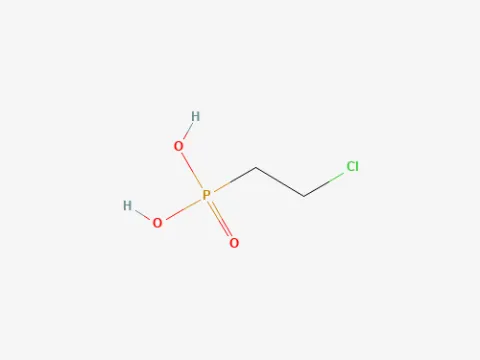
Plant growth regulators (PGRs) are organic compounds, natural or synthetic, that modify physiological processes in plants at very low concentrations. They act as chemical signals that control various stages of plant life cycles.
 Gibberellins
19 products
Sea-algae extract
13 products
Gibberellins
19 products
Sea-algae extract
13 products
 1-methylcyclopropene
7 products
1-methylcyclopropene
7 products
 Prohexadione
6 products
Prohexadione
6 products
 Gibberellic acid
5 products
Gibberellic acid
5 products
 Indolylbutyric acid
5 products
Indolylbutyric acid
5 products
 Sodium 5-nitroguaiacolate
5 products
Sodium 5-nitroguaiacolate
5 products
 Sodium o-nitrophenolate
3 products
Sodium o-nitrophenolate
3 products
 Sodium p-nitrophenolate
3 products
Sodium p-nitrophenolate
3 products
 1,4-Dimethylnaphthalene
1 product
1,4-Dimethylnaphthalene
1 product
 4-chlorophenoxyacetic acid
1 product
4-chlorophenoxyacetic acid
1 product
 Folic acid
1 product
Folic acid
1 product
 S-abscisic acid
1 product
S-abscisic acid
1 product
 1-Decanol
 1,3-Diphenyl urea
 2-Naphthyloxyacetic acid
 2,4-D
2,4-D
 Ancymidol
 Aviglycine HCL
 Butralin
 Calcium chloride
Chloral-bis-acylal
Calcium chloride
Chloral-bis-acylal
 Chloretazate
 Chlorflurenol
 Chlorphonium chloride
 cis-Zeatin
 Clofencet
 Cyclanilide
Di-1-p-menthene
Cyclanilide
Di-1-p-menthene
 Dicyclopentadiene
 Dikegulac
 Dimethipin
 Diphenylamine
 Etacelasil
 Ethoxyquin
 Ethylene
Fatty alcohols
Ethylene
Fatty alcohols
 Fenoprop
 Fenridazon
 Flumetralin
 Flurprimidol
 Gamma-aminobutyric acid
Hydroxy-MCPA
Gamma-aminobutyric acid
Hydroxy-MCPA
 Imazaquin
 Imazethapyr
 Indolylacetic acid
 L-Carvone
 Lactic acid
Lime phosphate
Lactic acid
Lime phosphate
 Mefluidide
Methyl naphthylacetate
Methylnaphthylacetamide
Monocarbamide dihydrogen sulphate
Mefluidide
Methyl naphthylacetate
Methylnaphthylacetamide
Monocarbamide dihydrogen sulphate
 N-m-tolylphthalamic acid
Naphtylacetic acid hydrazide
Nonylphenol ether polyoxyethyleneglycol
N-m-tolylphthalamic acid
Naphtylacetic acid hydrazide
Nonylphenol ether polyoxyethyleneglycol
 Paclobutrazol
 Pelargonic acid
 Prohydrojasmon
Propyl-3-t-butylphenoxyacetate
Prohydrojasmon
Propyl-3-t-butylphenoxyacetate


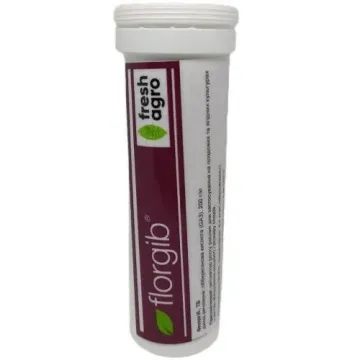


The main groups of these substances include auxins, gibberellins, cytokinins, abscisic acid, and ethylene. Each group specifically targets cell division, elongation, senescence, or dormancy processes.
The mechanism of action involves binding to specific cellular receptors, triggering a cascade of biochemical responses. This regulates gene expression and alters the plant's metabolic pathways to adapt to specific conditions.
PGRs do not provide nutrients like fertilizers do; instead, they serve as management tools to direct the energy of the plant. This allows farmers to control growth rate and architectural development of crops.
Furthermore, these substances help plants survive environmental stress. By activating defense enzymes and stress-response pathways, PGRs significantly improve resilience against drought, cold, and chemical injuries.
PGRs are used to enhance seed germination and initial seedling vigor. This is critical for establishing a uniform and healthy plant stand early in the cropping season.
In cereal crops, growth regulators are frequently applied to shorten the stems and strengthen the stalk. This is a common strategy to prevent lodging and improve harvest quality.
These substances also play a role in optimizing flowering and fruit set. They help in reducing flower or fruit drop, which is essential for maximizing yield in horticultural and orchard crops.
PGRs are widely used to manage the timing of development. They can either accelerate or delay maturity, allowing for better synchronization with harvesting schedules and market demand.
Application rates for plant growth regulators must be strictly followed, as the dose-response curve is often narrow. Small amounts lead to significant changes, but overdosing can be counterproductive.
The timing of application is crucial for the success of the treatment. Most PGRs are highly effective only during specific physiological stages of plant growth, such as rapid vegetative growth or budding.
Environmental conditions during application, such as temperature and humidity, play a significant role. Applications are best made during early mornings or late afternoons to avoid rapid evaporation and heat stress.
PGRs are often applied in tank mixes with other agrochemicals. Compatibility tests should always be performed to ensure that the chemical efficacy of all components in the mixture is maintained.
Monitoring the crop's physiological state before treatment is essential. Applying growth regulators to plants under severe nutrient deficiency or heavy pest pressure might lead to abnormal growth patterns.
A primary limitation is the restriction during flowering in certain species, where PGR use might interfere with pollination or seed development. Always consult the specific product labels for regional limitations.
Personal safety equipment should be used when handling these chemicals. Although many PGRs have low toxicity to mammals, direct exposure should be avoided to prevent irritation and accidental absorption.
The number of applications per season is generally restricted to prevent hormonal imbalance within the plant. Excessive use can cause deformation, stunted growth, or unwanted late-season regrowth.
Pre-harvest intervals (PHI) must be strictly observed. This ensures that the crop is safe for consumption and meets the legal requirements for maximum residue levels in harvested products.
Storage must be done in a cool, dry place away from direct sunlight. Improper storage conditions can lead to the degradation of active ingredients, rendering the product ineffective for subsequent field use.