
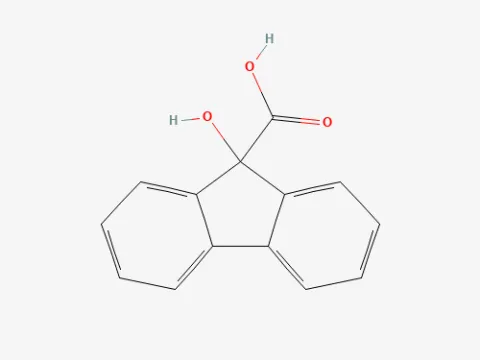
Flurenol
Flurenol belongs to the group of morphoregulators that are chemically derived from fluorene acids. Unlike traditional auxin-based products, this active ingredient specifically influences tissue differentiation and meristematic activity.
What the section contains
Flurenol
The substance penetrates through leaves and stems, quickly moving via the vascular system. It suppresses apical dominance, which forces a redistribution of plant plastic substances and alters the architecture of the plant.
The primary mechanism involves the inhibition of cell division in growth points. This leads to disturbed organ formation and, ultimately, the cessation of growth in sensitive weed species.
Flurenol is often utilized in herbicide mixtures. This synergy provides deeper systemic effects and expands the range of controlled vegetation, ensuring high efficiency in field conditions.
The compound interferes with the hormonal balance by mimicking natural phytohormones, yet at higher concentrations, it exerts a phytotoxic effect that irreversibly blocks the plant's vital growth cycles.
Flurenol is primarily applied as a component of herbicide formulations to control broad-leaved weeds that exhibit resistance to other herbicide classes.
It is effective against a broad range of target species, including perennial root-sucker weeds that are otherwise difficult to manage with conventional chemical control methods.
In addition to its herbicidal properties, it serves as a growth regulator to improve plant morphology, such as increasing resistance to lodging or promoting more compact growth patterns in orchards.
The product is widely used in cereal crops and turf management to ensure selective control of weeds without causing damage to the primary crop or grass species.
Targeted weeds include species such as sow thistle, bindweed, and other hardy plants that possess significant energy reserves in their root systems.
Application rates of flurenol are strictly dependent on the target weed composition and the growth stage of the crop, as the product is highly biologically active.
The optimal application timing is during the active growth phase of weeds, which ensures rapid uptake and translocation of the active ingredient within the plant tissues.
When used as a morphoregulator, precise timing between applications is crucial to prevent overdose, which could lead to undesired physiological deformations of the treated crop.
Proper preparation of the working solution is essential, especially when dealing with complex emulsions or concentrates, to ensure a uniform distribution and efficacy of the active component.
Treatments are recommended under favorable weather conditions, with temperatures between 12 and 25 degrees Celsius, avoiding periods of extreme drought or frost.
A major limitation is the high sensitivity of many vegetable and fruit crops to residual flurenol in the soil or through unintended spray drift during application.
Application near water bodies is restricted to avoid contamination of aquatic ecosystems, requiring mandatory buffer zones to protect local biodiversity and water quality.
Operators must wear personal protective equipment, including skin and respiratory protection, to prevent irritation or adverse health effects during the handling and mixing of the concentrate.
Re-entry intervals must be strictly observed following application to ensure human safety, as specified by regional agricultural and sanitary regulations.
Storage of flurenol-based products requires controlled conditions, avoiding extreme temperatures that could lead to freezing or degradation of the chemical composition.