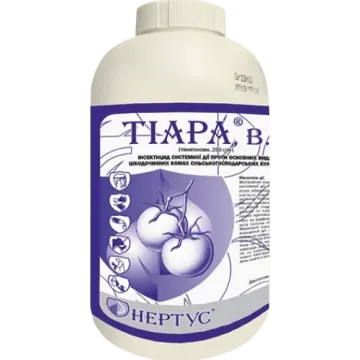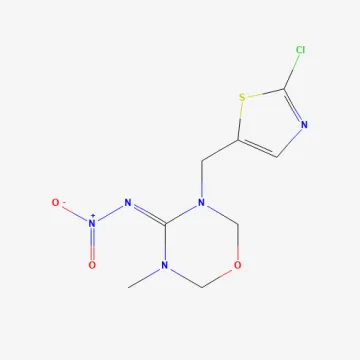
Description
Mode of action
Thiamethoxam is a potent systemic insecticide belonging to the second generation of the neonicotinoid chemical class. It is characterized by its high solubility in water, which allows for efficient translocation through the plant's xylem tissue after application.
The mode of action involves binding to the nicotinic acetylcholine receptors in the insect central nervous system. By disrupting the transmission of nerve signals, the compound causes the cessation of feeding, subsequent paralysis, and eventually death of the target pest.
A notable feature of thiamethoxam is its physiological impact on crops, commonly referred to as the Vigor-effect. This biological response helps plants improve root development and enhances their tolerance to abiotic stressors such as drought, extreme temperatures, or soil salinity.
When used as a seed treatment, the substance provides long-lasting systemic protection for developing seedlings. Its durability in various soil types and pH levels ensures that young plants remain shielded against early-season pest pressure during critical growth phases.
The compound is highly stable and compatible with a wide range of other agrochemicals, making it a versatile tool for integrated pest management programs. Its rapid absorption minimizes the risk of wash-off by rain, maintaining efficacy under diverse environmental conditions.
What it targets
Thiamethoxam provides broad-spectrum control, targeting both sucking and chewing insects that threaten agricultural productivity. It is widely used to combat pests that cause significant damage to early-stage crops and vegetative growth.
The primary pests controlled by this active ingredient include:
- Aphids, whiteflies, and thrips.
- Leafhoppers and various beetle species.
- Wireworms and other soil-dwelling pests.
- Colorado potato beetle and cabbage flea beetles.
- Seedling pests in maize, sunflower, and cereal crops.
Rates and timing
Application rates depend heavily on the method of use, whether it is for seed treatment, foliar spray, or soil application via drip irrigation. For seed dressing, typical rates range from 5 to 15 grams of active ingredient per kilogram of seed, depending on the specific crop variety.
Foliar application rates must be determined according to local pest thresholds and specific product labeling. Proper calibration of application equipment is essential to ensure uniform coverage and optimal efficacy while adhering to regulatory safety limits.
Restrictions
Thiamethoxam poses a significant risk to bees and other pollinators. Consequently, application is strictly prohibited during the blooming period of crops to prevent the unintentional poisoning of beneficial insects and protect local biodiversity.
Users must wear appropriate personal protective equipment (PPE) during handling and mixing to prevent dermal or respiratory exposure. Disposal of containers and leftover solution must comply with local environmental regulations to avoid contamination of surface and groundwater.
Content graph
Connections · Thiamethoxam
Most often together:
Marketplace
Products · 113


Harpoon
«Нанджин Ессенс Файн-Кемікал Ко. Лтд» (Китай)
Insecticides
0
0
·
860
1 offer
66.85 €per 1 l
Buy

Trayzer, TN
Hailir Pesticides and Chemicals Group Co., Ltd, Shandong, КНР
Insecticides
0
0
·
159
3 offers
15.75 €per 1 l
Buy


Floristin
ТОВ «Фабрика агрохімікатів», Черкаси, Україна
Insecticides
0
0
·
68
15 offers
5.14 €per 1 l
Buy


Actor
Hailir Pesticides and Chemicals Group Co., Ltd, Shandong, КНР
Insecticides
0
0
·
67
18 offers
17.56 €per 1 l
Buy


As Selektiv
ТОВ «Фабрика агрохімікатів», Черкаси, Україна
Insecticides
0
0
·
63
17 offers
13.95 €per 1 l
Buy


Crispus Protect
Hangzhou Ruijiang Chemical Co., Ltd.
Insecticides
0
0
·
58
7 offers
8.19 €per 1 l
Buy


Actara 25 WG granules, Insecticide (thiamethoxam 250 g
Kemark
Insecticides
0
0
·
54
10 offers
155.12 €per 1 l
Buy

TIARA V.G.
Джі Ді Ес Кемікал Ко., Лтд., Джиангсу, Китай
Insecticides
0
0
·
53
10 offers
4.13 €per 1 l
Buy


NOMINAL, V.R.G., (TIAMETOXAM, 250 G/KG)
Санрайз Кемікалз Ко. Лтд., Шанхай, Китай
Insecticides
0
0
·
48
1 offer
19.15 €per 1 l
Buy

AS- SELECTIVE
ТОВ «Фабрика агрохімікатів», Черкаси, Україна
Insecticides
0
0
·
48
2 offers
28.95 €per pack
Buy


Kaiser t.n.
Джі Ді Ес Кемікал Ко., Лтд., Джиангсу, Китай
Insecticides
0
0
·
47
1 offer
2.5 €per 1 l
Buy

ATO «ZHUK»
ТОВ «Фабрика агрохімікатів», Черкаси, Україна
Insecticides
0
0
·
47
23 offers
14.57 €per 1 l
Buy