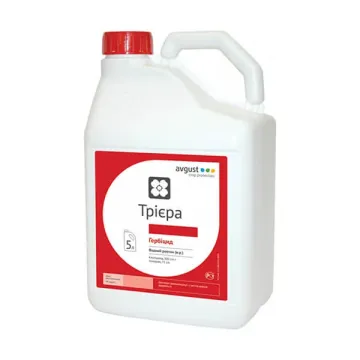
Galera 334 SL
Доу АгроСайенсіс С.А.С., Друзенхайм, Франція
Herbicides
0
0
·
2.6K
4 offers
14.3 €per 1 l
Buy
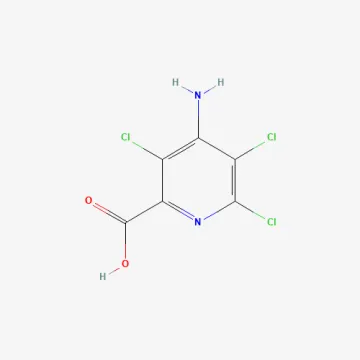
Picloram belongs to the chemical class of pyridine carboxylic acids and acts as a highly effective systemic herbicide of the auxin type.
Upon entering the plant through leaves and roots, the substance rapidly translocates via the phloem and xylem to the weed's growing points.
Its mechanism of action mimics the effects of plant hormones known as auxins, causing disruption in cell division and uncontrolled tissue growth.
As a result of this metabolic interference, sensitive weed species exhibit leaf and stem curling, chlorosis, necrosis, and subsequent plant death.
Picloram exhibits high soil persistence, which provides an extended protective barrier against a broad spectrum of broad-leaved weeds.
This herbicide is utilized for the control of hard-to-eradicate perennial broad-leaved weeds, including species such as sow thistle, creeping thistle, knotweed, and bindweed.
The substance effectively suppresses the development of woody and shrubby vegetation on non-cropland areas and pastures.
In field crops, it is used to eliminate broad-leaved weeds that have developed resistance to 2,4-D and MCPA herbicides.
Picloram is frequently used in tank mixes to expand the spectrum of activity against species like chamomile, cleavers, and common lambsquarters.
The compound shows high efficacy even against deeply rooted species that possess powerful and extensive root systems.
The application rates of the active ingredient depend on the crop type, weed growth stage, and soil moisture conditions during the time of treatment.
Applications are typically conducted during the period of active weed growth; for perennials, the optimal stage is between 4 and 6 true leaves.
In cereal crops, formulations containing picloram are applied from the tillering stage to the jointing stage, following the manufacturer's specific guidelines.
When treating pastures or non-crop areas, application rates may be higher to achieve maximum biological efficacy against woody plants.
Agronomists should note that high humidity and optimal temperatures accelerate the herbicide's action, although overdosing must be strictly avoided.
Picloram is noted for its high resistance to soil degradation, requiring careful consideration of crop rotation to avoid potential residual effects.
Sensitive crops, such as legumes, sunflowers, and sugar beets, can suffer severe damage if planted the year following the herbicide application.
Usage near water bodies is prohibited due to the substance's high mobility in the soil profile in the presence of groundwater.
When handling the herbicide, it is mandatory to use personal protective equipment for skin, respiratory, and eye protection to prevent toxic exposure.
Thorough cleaning of spraying equipment after use is critical, as even trace amounts of the product can injure sensitive crops in subsequent operations.