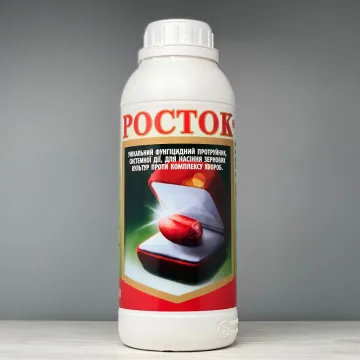
Vitavax 200 FF
Crompton (Uniroyal Chemical) Registration Limited
Fungicides
1
0
·
4.1K
13 offers
5.21 €per 1 l
Buy
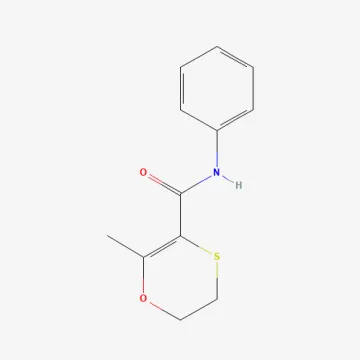
Carboxin belongs to the oxathiin chemical class and functions as a systemic fungicide with both protective and curative properties. A key feature of this active ingredient is its ability to penetrate the seed and translocate as the seedling grows.
The mechanism of action is based on the inhibition of the enzyme succinate dehydrogenase in the respiratory chain of fungal pathogens. By blocking this process, the substance disrupts the Krebs cycle, leading to the total cessation of mycelial respiration and subsequent death.
Unlike contact fungicides, carboxin exhibits a high rate of penetration into plant tissues. This allows it to protect not only the seed coat but also the primary root system and the coleoptile zone from soil-borne infections.
The active ingredient is frequently used in combination with other fungicides, such as thiram, to broaden the spectrum of activity. The synergism of these components allows for successful control of both internal and external infections.
The product does not significantly affect the physiological processes of the plant itself, ensuring the formation of strong and healthy sprouts even under high infection pressure.
Carboxin is designed to combat a wide range of pathogens affecting cereal crops during the initial growth stages. It is considered a gold standard for controlling various types of smut.
The substance shows the highest efficacy against fungi belonging to the class Basidiomycota. It successfully suppresses pathogens present both within the seed and in the immediate soil layer surrounding the roots.
An important aspect is the prevention of seedling infection by Septoria and Fusarium, provided that combination products containing carboxin are used.
The use of this fungicide is justified in regions with a high probability of seed-borne smut infections, where traditional treatment methods fail to provide stable results.
The dosage of the product is determined by the concentration of the active ingredient in a specific formulation. Typically, working solutions are prepared based on the treatment of one ton of seed before sowing.
Seed treatment is carried out in advance or immediately before sowing. It is crucial to ensure the uniform distribution of the fungicide across the grain surface to achieve the maximum protective effect.
When using semi-wet treatment methods, it is essential to strictly follow the manufacturer's recommendations regarding water volume to avoid excessive seed moisture and subsequent loss of germination power.
It is recommended to use specialized treatment equipment that ensures dosing accuracy and minimizes the loss of the active ingredient during the process.
Pre-harvest intervals are not applicable when guidelines are followed, as the substance only affects the early stages of crop development.
Carboxin is a moderately toxic compound to warm-blooded animals, so personal protective equipment for skin and respiratory protection must be used when handling it.
Treated grain must not be used for food purposes or as animal feed. Residues of the product require proper disposal in accordance with regional environmental regulations.
When storing treated seeds, humidity levels must be monitored, as improper conditions may trigger a decrease in seed vigor and germination energy.
In the soil, carboxin undergoes biodegradation, although the rate depends on temperature and moisture. This minimizes the accumulation of residues in subsequent crops within the rotation.
Discharge of excess working solution into water bodies or sewage systems is strictly prohibited. Equipment must be thoroughly rinsed after use using neutralizing agents.
Not approved in the EU
EU status is for reference only and does not replace national registration in your country.