

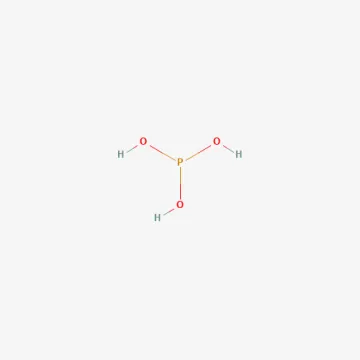
Description
Mode of action
Phosphorous acid and its salts, known as phosphites, represent a unique class of systemic fungicides that act both as direct inhibitors of pathogens and as plant defense stimulants.
The primary mechanism of action involves the direct disruption of the metabolism of oomycete pathogens, which effectively hinders their ability to produce spores and colonize host tissues.
A crucial feature of phosphites is their ability to trigger Systemic Acquired Resistance (SAR) in plants, promoting the production of phytoalexins that act as natural internal defense barriers.
Due to their high systemic activity, these substances are rapidly translocated through both xylem and phloem, offering comprehensive protection to stems, leaves, and roots.
These substances are widely integrated into professional crop protection programs to manage resistance and improve the overall resilience of plants against environmental stressors.
What it targets
Phosphorous acid is primarily targeted at controlling members of the Oomycetes class, which are responsible for some of the most devastating agricultural plant diseases.
It is widely used to prevent and control late blight (Phytophthora infestans) in solanaceous crops like potatoes and tomatoes, particularly under high-humidity conditions.
The substance is highly effective against various forms of downy mildew, posing a significant threat to viticulture, onion crops, and field vegetables like sunflower.
It also plays a vital role in preventing root and crown rot caused by Pythium and Phytophthora species in both open-field and greenhouse production systems.
- Late blight in potatoes and tomatoes
- Downy mildew in various crops
- Grapevine downy mildew (Plasmopara viticola)
- Root rot and damping-off
Rates and timing
Application timing should be strategic, prioritizing periods of high infection risk and active plant growth to maximize the preventive and curative benefits of the fungicide.
Typical application rates range from 2 to 5 liters of product per hectare, depending on the specific concentration of the active ingredient and the type of crop treated.
A sequential spray program with intervals of 10 to 14 days is generally recommended during the peak growth phase to maintain sufficient protection of new shoots.
Soil drenching is an alternative application method for greenhouse crops, effectively delivering the active ingredient to the root zone for systemic protection.
Careful calibration of equipment is essential to ensure uniform coverage, which is necessary for the substance to be fully effective across the entire canopy.
Restrictions
Handling phosphorous acid requires standard safety protocols, as concentrated formulations are acidic and can cause damage to equipment if not handled correctly.
It is critical to avoid tank-mixing phosphites with copper-based or calcium-based products, as chemical incompatibility can lead to precipitation and reduced efficacy.
Exceeding the recommended dosage or applying under extreme heat may result in phytotoxicity, such as leaf burn, particularly on young or stressed plant tissues.
Storage should be maintained in original containers in a cool, dry place to prevent the breakdown of the active ingredients and ensure stability over time.
Monitoring water quality and adjusting pH levels in the tank mix is advisable to optimize the solubility and performance of the fungicide formulation.
Content graph
Connections · Phosphorous acid
Most often together:
Marketplace
Products · 13


Fital v.r.k.
China Communications Import and Export Corporation
Fungicides
0
0
·
62
2 offers
12.32 €per 1 l
Buy


