

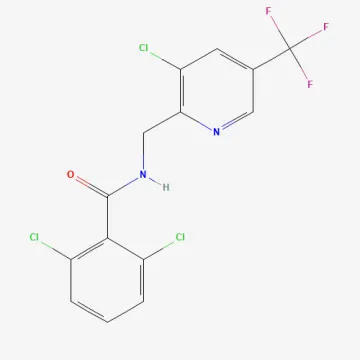
Description
Mode of action
Fluopicolide belongs to the benzamide (acylaminobenzamide) chemical class. It is a specialized active ingredient providing translaminar and systemic control against oomycete pathogens.
The mode of action of fluopicolide is unique, targeting the delocalization of spectrin-like proteins within the fungal cell cytoskeleton, which is crucial for cell integrity.
This rapid disruption of the cellular structure leads to the collapse of the pathogen's cell architecture and causes the death of the spores and mycelium upon contact.
The substance exhibits strong zoosporicidal activity, effectively inhibiting the mobility of zoospores and preventing the initial infection of plant tissues.
Due to its high mobility within leaf tissues, fluopicolide provides reliable protection for both the treated leaf surface and newly developing plant growth.
What it targets
The primary use of fluopicolide is the control of late blight (Phytophthora infestans) on potatoes and tomatoes, as well as downy mildew (Peronospora spp.) on vegetables.
It is highly effective against grapevine downy mildew (Plasmopara viticola), serving as both a preventive and curative tool in viticulture management.
The substance is utilized to protect crops such as onions, cucumbers, and leafy greens, which are highly susceptible to oomycete infections in humid conditions.
Fluopicolide provides a robust solution for controlling pathogen populations that have developed resistance to traditional phenylamide-based fungicides.
Its efficacy is particularly notable during periods of high disease pressure when infection spreads rapidly through splashing water and swimming zoospores.
Rates and timing
Application rates for fluopicolide depend on the specific crop and the severity of the disease pressure encountered during the growing season.
Typical spray intervals range from 7 to 14 days, designed to maintain a consistent protective shield during the period of rapid crop development.
It is best applied preventively or at the very early onset of symptoms to maximize the protective effect on the plant tissue.
In practice, it is often mixed with contact fungicides to create a comprehensive control program and to manage resistance development effectively.
- Always verify the label for the maximum allowable seasonal applications.
- Ensure thorough and uniform coverage of the foliage for the best possible efficacy.
Restrictions
Fluopicolide is classified as a moderately hazardous compound, necessitating the use of personal protective equipment for skin and respiratory protection during handling.
Strict precautions must be taken to prevent runoff into surface water, as the substance poses a risk of toxicity to aquatic life and ecosystems.
Storage should be conducted in secure, dry, and well-ventilated areas, protected from extreme temperature fluctuations and direct exposure to light.
To ensure long-term effectiveness, growers must rotate fluopicolide with fungicides that possess different modes of action to prevent the buildup of resistant strains.
Compliance with the pre-harvest interval is essential to ensure that residues on the final produce remain within the safety limits established by regulations.
Content graph
Connections · Fluopicolide
Most often together:
Marketplace
Products · 10


Infinite 61 SC
фірмі Байєр КропСаєнс АГ, м.Франкфурт, Німеччина
Fungicides
0
0
·
53
7 offers
22.54 €per 1 l
Buy


