
Zeuzera multistrigata
Zeuzera multistrigata
Description
How to identify
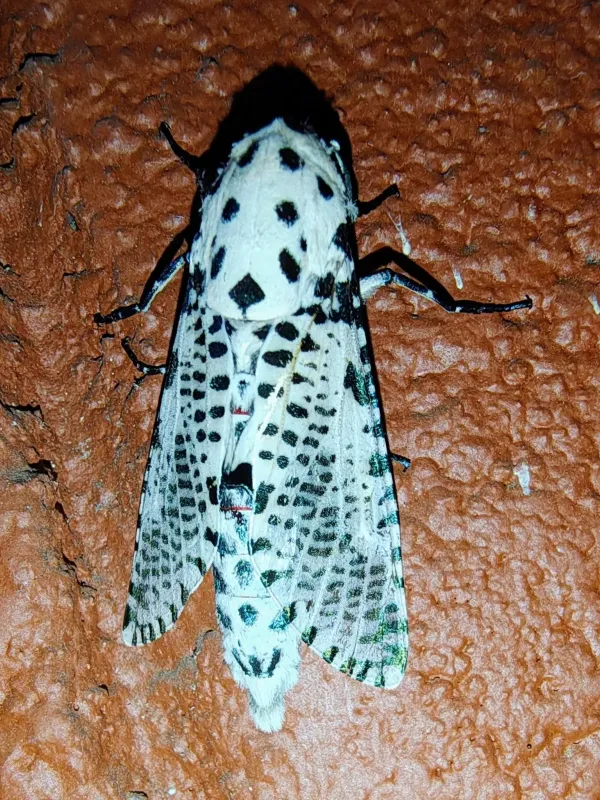
Zeuzera multistrigata is a moth species belonging to the Cossidae family, known for its significant impact on woody plants and trees.
Adult moths are characterized by a distinct pattern of numerous small, dark spots across their wings, providing effective camouflage.
The larvae, which are the primary damaging stage, possess a robust cylindrical body with dark, sclerotized plates and a powerful chewing mouthpart.
These moths are typically active during the night, which makes them difficult to observe unless specific monitoring tools are used.
Their morphological adaptation to living inside plant stems makes them highly resilient to many environmental stressors and conventional treatments.
What it damages
This pest affects a wide range of host plants, including apple, pear, peach, walnut, and various ornamental tree species found in gardens.
The larvae tunnel deep into the woody tissues of the trunk and primary branches, creating extensive galleries that disrupt the flow of water and nutrients.
Such disruption leads to the gradual decline of the tree, manifesting as branch dieback, reduced fruit yield, and overall physiological stress.
In severe infestations, the structural integrity of the tree is compromised, leading to limb breakage during heavy winds or under the weight of fruits.
If left unmanaged, Zeuzera multistrigata can cause the complete death of the host plant, resulting in significant losses for orchard owners.
When it appears
The emergence of adult moths usually correlates with warm spring and summer temperatures, facilitating their reproductive cycle.
Females deposit eggs in the crevices of the bark or near buds, ensuring the newly hatched larvae have immediate access to the tree's surface.
The developmental cycle of this pest can extend over one or two years, depending on the environmental conditions and the host plant's health.
Larvae remain active throughout the growing season, continuously expanding their tunnels within the wood to fulfill their nutritional requirements.
Overwintering occurs as larvae tucked deep inside the wood, protecting them from harsh winter conditions and predators.
Signs of infestation
The most visible indicator of infestation is the presence of frass (excrement) and wood shavings pushed out of small holes in the bark.
Sap exuding from the trunk or branches, often described as "bleeding," indicates active tunneling activity occurring underneath the surface.
Leaves on infected branches often show signs of chlorosis, wilting, or premature fall due to the restricted nutrient supply to the canopy.
Deformed or swollen sections of branches, which may crack over time, often highlight the location of the deep internal galleries.
In later stages, the sudden death of individual branches or an entire tree crown serves as a clear warning sign of advanced structural damage.
Control measures
Sanitation is a critical control measure, involving the systematic pruning and destruction of infested branches to eliminate the larval population.
Injecting systemic insecticides directly into the larval tunnels or sealing entrance holes can significantly reduce the number of active borers.
Using pheromone traps helps monitor the adult moth population, allowing for the precise timing of insecticide applications to catch emerging larvae.
- Application of broad-spectrum contact insecticides during the early larval stage.
- Enhancing tree vigor through proper irrigation and fertilization practices.
- Implementation of biological control agents to suppress moth population growth.
Early detection through regular tree inspections is vital for preventing the pest from causing irreparable damage to the entire orchard.
Taxonomy
- Latin name
- Zeuzera multistrigata
- Order
- Lepidoptera (butterflies)
- Family
- Cossidae
- EPPO code
- ZEUZMU
Discussion
No discussions yet — be the first.