
Xylorycta luteotactella
Xylorycta luteotactella
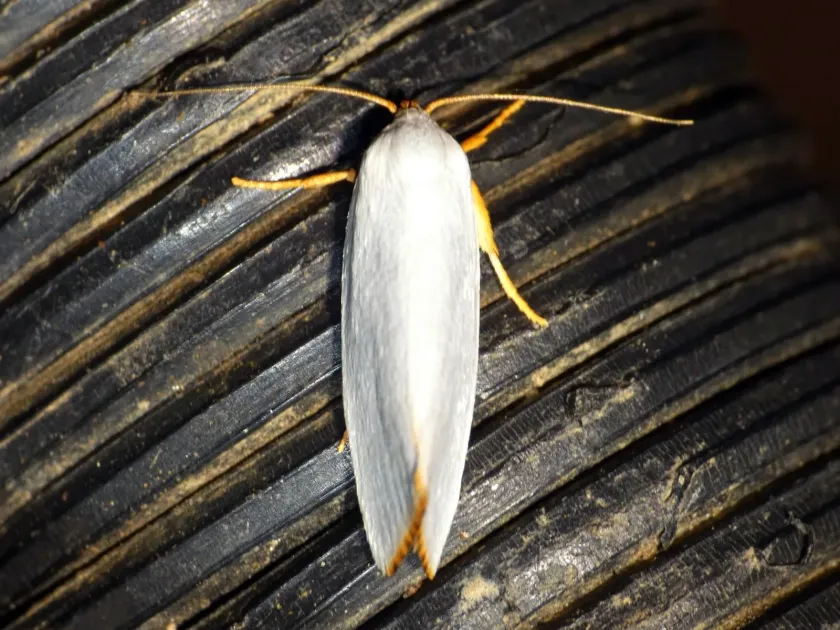
Description
How to identify
Xylorycta luteotactella is a species of moth belonging to the family Xyloryctidae, order Lepidoptera. Adults are characterized by their modest size and light-colored, often yellowish wings, which provide camouflage against light-colored bark or foliage.
The larval stage is the primary active period of the lifecycle, where the caterpillars possess strong, biting mouthparts designed to bore into plant tissues.
The life cycle encompasses egg, larval, pupal, and adult stages. Development is highly influenced by seasonal temperatures and the host plant's physiological status.
These moths are generally specialized pests, meaning their presence is usually tied to specific tree species within their geographic distribution range.
Correct identification is vital for professional nurseries and forestry managers to initiate prompt control measures before the population reaches an outbreak level.
What it damages
Damage is caused primarily by the larvae, which bore galleries into the shoots, stems, or under the bark of their host trees.
This boring activity disrupts the vascular system of the plant, hindering the flow of water and essential nutrients, which often leads to the wilting of affected branches.
In young trees or saplings, the damage can be particularly severe, resulting in stunted growth, physical deformation of the trunk, or even death if the main stem is girdled.
The presence of these galleries also weakens the structural integrity of branches, making them prone to snapping under wind pressure or heavy snow.
Secondary infections by fungal and bacterial pathogens frequently occur at the entry points, leading to further decay of the host plant's tissues.
Signs of infestation
The presence of small entry holes in the bark, accompanied by accumulated frass or sawdust, is one of the most reliable indicators of an active infestation.
Wilting of individual branches or chlorosis in specific areas of the tree crown often suggests that larvae are feeding internally, disrupting the plant's nutrient uptake.
Silken webbing found around entry holes or connecting leaves to branches is a common behavior of these caterpillars to protect themselves from predators.
During the flight period, adult moths may be observed near host trees during twilight or evening hours, signaling the time for potential oviposition.
Careful inspection of the bark reveals telltale signs such as discolored patches, cracks, or exudation of sap at the sites where the larvae have penetrated the wood.
Control measures
Sanitation is a primary management tool, requiring the timely removal and destruction of infested branches to interrupt the pest's life cycle before adult emergence.
Biological control using formulations of entomopathogenic bacteria or fungi can effectively reduce larval populations without harming beneficial insects.
Systemic insecticides are recommended for larger infestations, as they are translocated within the plant tissues to reach the hidden larvae effectively.
Encouraging natural biological control agents, such as insectivorous birds and parasitic wasps, is an essential component of integrated pest management strategies.
- Monitoring population density using pheromone-baited traps.
- Sanitary pruning and burning of damaged wood.
- Targeted insecticide applications during larval hatching periods.
Taxonomy
- Latin name
- Xylorycta luteotactella
- Order
- Lepidoptera (butterflies)
- Family
- Xyloryctidae
- EPPO code
- XYLKLU
Discussion
No discussions yet — be the first.