
Maroga moth
Maroga
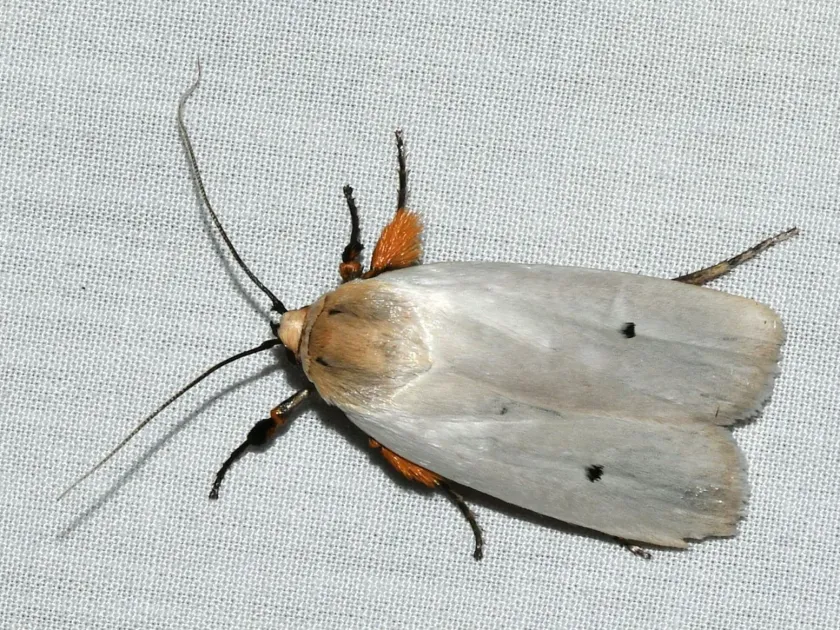
Description
How to identify
The genus Maroga belongs to the family Xyloryctidae, commonly known as wood-boring moths. These insects are cryptic by nature, with adult moths being predominantly nocturnal and rarely observed during the day.
The larvae, or caterpillars, are specialized wood-borers. Their bodies are adapted for tunneling into the woody tissues of their host plants, often matching the color of the bark or timber they inhabit.
Accurate identification is difficult due to their hidden lifecycle. Key morphological indicators include the specific shape of entry holes and the presence of frass combined with silken webbing located on the surface of branches.
Biologically, these moths are adapted to temperate climates, where they can complete their life cycle while remaining hidden within the host tree’s structure for significant periods.
Visual inspection requires precision, as the entry points are often disguised with bits of bark, excrement, and silk, effectively camouflaging the presence of the larva from predators and observers.
What it damages
Maroga moths affect a wide variety of woody plants, including both ornamental trees and fruit-bearing species. While they often target stressed trees, high population densities can lead to the infestation of healthy specimens.
The larvae tunnel deep into the wood, disrupting the vascular system (xylem and phloem). This interruption leads to premature wilting, dieback of individual branches, or the total decline of the host tree.
These tunnels serve as entry points for secondary infections, including fungal pathogens and bacteria, which exacerbate the damage caused by the physical tunneling of the larvae.
Economic damage is most severe in nurseries and young plantations. Infested nursery stock is often unsalable, and the structural integrity of young trees can be permanently compromised, leading to long-term growth issues.
Damage to the cambium layer is particularly critical, as it can cause girdling, which results in the death of the distal parts of the tree within one or two growing seasons.
Signs of infestation
The most reliable sign of an infestation is the accumulation of frass (larval excrement) at the base of the tree or at branch forks. This material looks like sawdust held together by fine silk webbing.
Small entry holes on the bark surface are typical indicators. These are often covered by a protective shield made of silk and chewed wood, which hides the caterpillar as it feeds on the bark surface.
Leaves in the affected area often turn yellow and drop prematurely. Branches distal to the infestation point may lose turgor and eventually dry out completely, showing clear signs of restricted sap flow.
Silken galleries or tubes are often visible, which the larva builds to travel safely between its feeding site and its burrow. These structures are clear markers for those monitoring tree health.
Nocturnal activity of the adults can sometimes be detected using light traps, although this is more of a survey method for researchers rather than a primary diagnostic tool for homeowners.
Control measures
Mechanical removal is the most effective control method for minor infestations. Pruning affected branches and burning them immediately helps to contain the spread of the population.
Chemical control involves the use of systemic insecticides that are absorbed by the tree's vascular system. Alternatively, direct injection into larval tunnels can be highly effective in specific situations.
Maintaining high horticultural standards is crucial. Healthy, well-irrigated, and properly fertilized trees are more resilient and can better resist infestation or recover from minor damage.
Pheromone traps and light traps are recommended for monitoring flight periods, ensuring that chemical treatments are applied only when necessary during the egg-laying stage.
- Regular sanitation pruning of dead or infested wood
- Wound cleaning and application of protective sealants
- Monitoring through the use of light and pheromone traps
- Maintaining optimal soil moisture and nutrient levels
Taxonomy
- Latin name
- Maroga
- Order
- Lepidoptera (butterflies)
- Family
- Xyloryctidae
- EPPO code
- MROGSP
Discussion
No discussions yet — be the first.