
Fruit borer
Maroga melanostigma
Description
How to identify
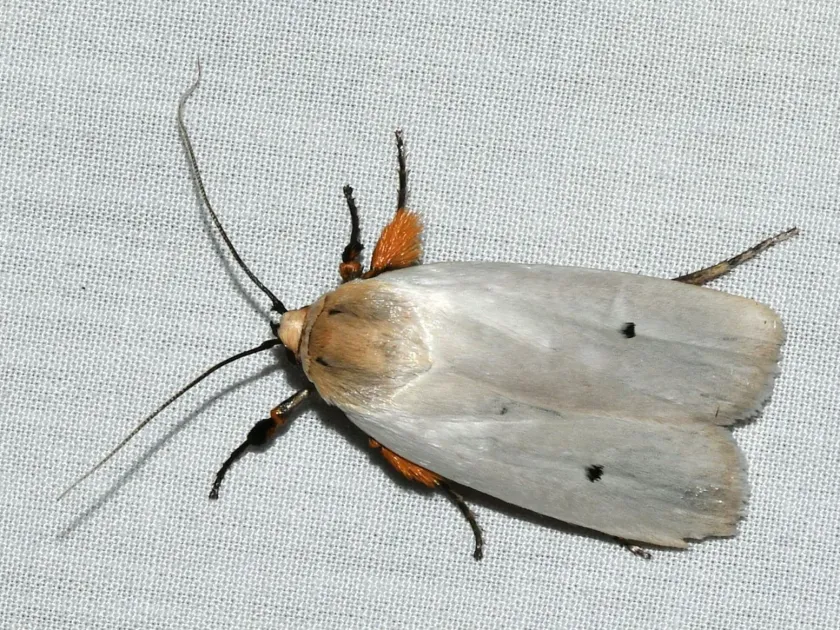
The fruit borer (Maroga melanostigma) is a moth belonging to the family Xyloryctidae. These insects are known for their wood-boring larvae, which can cause significant structural damage to various woody plants.
The life cycle encompasses four distinct stages: egg, larva, pupa, and adult. The adult moth is typically nocturnal, making it difficult to detect during its active flying period, while the larval stage remains concealed within the tree’s wood.
This pest is well-adapted to specific climatic zones, where its life cycle is synchronized with the phenological development of host trees. Female moths lay their eggs in bark crevices, ensuring that newly hatched larvae have immediate access to the food source.
The larvae are specialized wood-feeders equipped with powerful mandibles. Upon hatching, they begin tunneling into the bark and eventually deep into the xylem, where they develop until reaching maturity.
Pupation occurs within the tunnels constructed by the larvae. Once the pupal stage is complete, the adult emerges through an exit hole to begin the reproductive process, thereby continuing the cycle for the next generation.
What it damages
Maroga melanostigma is a polyphagous pest, meaning it attacks a wide variety of fruit, ornamental, and forest trees. Primary hosts often include stone and pome fruits, which are highly susceptible to its wood-boring activities.
The damage is primarily caused by the larvae’s tunneling, which severs vascular tissue, disrupting the flow of water and nutrients. This structural impairment leads to the dieback of branches and, in severe cases, the death of the entire tree.
Secondary damage is a significant concern, as the tunnels created by the larvae provide entry points for various opportunistic pathogens, including wood-rotting fungi and bacteria, which exacerbate the decline of the host tree.
Young trees are particularly vulnerable, as their smaller diameter allows the larvae to easily compromise the central stem. This can lead to stunted growth, loss of structural integrity, and premature death of the plant.
In mature orchards, the pest contributes to reduced fruit yields and general tree decline. The long-term impact on the health of the orchard necessitates costly interventions, such as extensive pruning or tree removal.
Signs of infestation
The most reliable indicator of an infestation is the presence of frass (larval excrement mixed with wood particles) accumulating near entry points. These deposits are often found around branch crotches or along the trunk.
Larvae often construct a silk web mixed with chewed wood fragments over the entrance to their tunnel. This protective covering is a telltale sign of their activity and serves to hide the larvae from predators.
Visual symptoms on the tree canopy include chlorosis, wilting, or premature leaf drop on specific branches. These signs indicate that the damage caused by the larvae has reached a level that interferes with the branch's ability to maintain hydration.
Close inspection of the bark may reveal cracks or depressions indicating the presence of tunnels underneath. In some cases, the exit holes made by emerging adults can be identified by their uniform shape on the bark surface.
Confirming the presence of the pest often involves peeling back small sections of bark or examining the internal structure of suspicious branches during pruning to locate the larvae or their characteristic galleries.
Control measures
Managing the fruit borer requires an integrated approach that focuses on prevention, monitoring, and targeted intervention. Early detection is key to preventing the pest from becoming established in the orchard.
- Prune and burn infested branches to reduce the local population of larvae.
- Clean out infested sites and apply specialized wound dressings or fungicides to protect exposed wood.
- Use pheromone traps for monitoring flight activity and timing protective treatments.
- Apply systemic insecticides during the peak hatching and dispersal period of young larvae.
- Encourage biodiversity in the orchard to support natural predators like birds and parasitic wasps.
Chemical control must be applied at the right time, targeting the brief period when larvae are active on the bark surface before they penetrate deep into the wood. Once inside, they are protected from most surface-applied insecticides.
Integrated Pest Management (IPM) strategies emphasize the use of biorational pesticides and good cultural practices to maintain tree health. Continuous monitoring throughout the growing season is essential for long-term control.
Taxonomy
- Latin name
- Maroga melanostigma
- Order
- Lepidoptera (butterflies)
- Family
- Xyloryctidae
- EPPO code
- MROGME
Discussion
No discussions yet — be the first.