
Xylorycta
Xylorycta
Description
How to identify
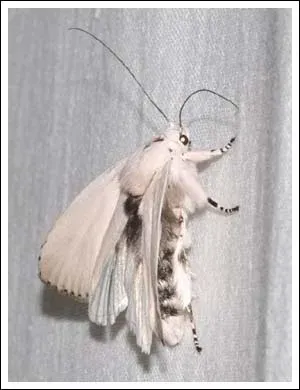
Xylorycta is a genus belonging to the family Xyloryctidae within the order Lepidoptera. The adults are small to medium-sized moths, typically recognized by their narrow forewings that often exhibit a white, cream, or light grey coloration with distinctive dark markings.
The larvae, or caterpillars, of this genus possess highly developed, robust mandibles capable of boring into solid wood and bark. Their bodies are typically cylindrical with a range of dull colours from grey to brown, which provides effective camouflage.
The biological cycle of these moths is strictly linked to woody plants. Adult moths are primarily nocturnal, remaining hidden under bark or within foliage during daylight hours, which makes early detection quite challenging.
The development consists of four distinct stages: egg, larva, pupa, and imago. Females deposit eggs directly onto the bark, allowing newly hatched larvae immediate access to the tree's inner tissues.
Pupation occurs within the galleries created by the larvae inside the wood, offering the insect a high degree of protection from environmental extremes and natural predators.
What it damages
Xylorycta moths infest a wide variety of woody plants, including both ornamental and forest tree species. Young trees and those already suffering from environmental stress are at the highest risk of infestation.
The primary damage is caused by larvae boring deep galleries into the trunks and branches, which severely compromises the vascular system of the tree and disrupts the transport of nutrients and water.
This feeding activity significantly weakens the host tree, making it susceptible to secondary pathogens, fungal infections, and colonization by other wood-boring insects.
In cases of high infestation, caterpillars can destroy young shoots and deform the canopy, drastically reducing the aesthetic and ecological value of the plants in landscapes or nurseries.
Severe structural damage to the main stem can lead to branch failure under wind pressure and, in some instances, the total death of young saplings that lack sufficient regenerative capacity.
Signs of infestation
A primary indicator of Xylorycta presence is the accumulation of frass, or wood shavings mixed with excrement, found at the base of the tree or caught in branch forks.
Careful inspection of the bark reveals small entry holes. Often, these openings exhibit sap or resin weeping, which is the tree's natural physiological response to internal tissue injury.
Tightly curled or discolored leaves, often held together by silk webbing, frequently indicate the activity of young caterpillars feeding on fresh foliage before moving deeper into the wood.
Visible wilting or dieback of specific branches is a sign of extensive internal damage, suggesting that the wood-boring larvae have destroyed the conductive tissues in that section of the tree.
The presence of empty pupal exuviae protruding from holes in the bark indicates that the pest has successfully completed its life cycle and the moths have emerged.
Control measures
The most effective cultural control method involves the pruning and destruction of infested branches to remove the larvae from the population before they can reach maturity.
Biological control using entomopathogenic bacteria is recommended during the early larval stage, specifically timed when young caterpillars have not yet burrowed deep into the tree's vascular system.
The use of pheromone traps is highly effective for monitoring adult moth populations, allowing for precise timing of chemical control interventions during periods of peak flight activity.
Maintaining vigorous tree health through adequate irrigation, fertilization, and site management is essential to improve the tree's resilience against initial attacks by these pests.
- Regular monitoring of trunk and branch integrity.
- Prompt removal and burning of infested timber.
- Targeted use of systemic insecticides during identified flight seasons.
Taxonomy
- Latin name
- Xylorycta
- Order
- Lepidoptera (butterflies)
- Family
- Xyloryctidae
- EPPO code
- XYLKSP
Discussion
No discussions yet — be the first.