
Hook-tip moth (Watsonalla)
Watsonalla
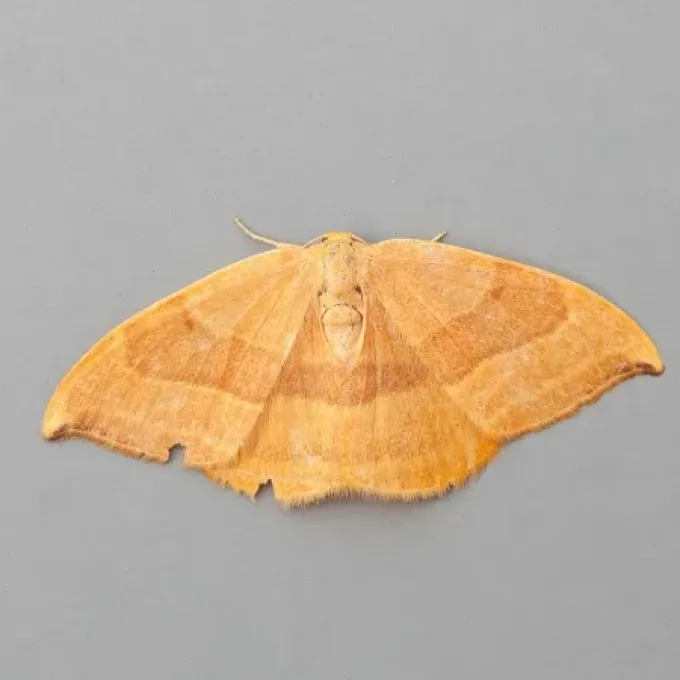
Description
How to identify
The genus Watsonalla belongs to the family Drepanidae (hook-tip moths) within the order Lepidoptera. These moths are characterized by their unique wing shape, where the apex is often curved like a hook.
The larvae, or caterpillars, are known for their distinct appearance, often lacking dense hair and displaying various body projections. Their coloration is usually cryptic, blending perfectly with the foliage of the host plants.
Pupation occurs in protected environments, typically inside leaves rolled or folded by the caterpillar and secured with silk threads. This provides a robust shelter against predators and environmental stress.
Taxonomically, the genus includes species primarily associated with deciduous trees. They are well-adapted to varied habitats, ranging from dense forests to managed orchard ecosystems.
Adult moths are nocturnal or crepuscular, using sensitive antennae to detect pheromones and locate suitable egg-laying sites on host trees throughout their flight period.
What it damages
The hook-tip moth primarily targets deciduous hardwood trees, including oak, birch, and alder. In orchard settings, it may affect ornamental or fruit-bearing members of the Rosaceae family.
Damage is caused by the larval feeding phase, during which caterpillars consume leaf tissue. High population densities can lead to significant canopy defoliation.
Continuous damage to the leaves reduces the tree's photosynthetic capacity, which directly negatively impacts fruit set, shoot growth, and general carbohydrate storage.
Trees weakened by consistent defoliation become susceptible to secondary infestations, such as bark beetles or wood-boring insects, which can cause long-term structural decline.
For fruit production, substantial leaf loss can lead to premature fruit drop or decreased fruit size, as the tree struggles to maintain necessary energy levels for maturation.
When it appears
The activity cycle of Watsonalla typically begins in the spring when temperatures consistently rise above the threshold for insect emergence and development.
Depending on the climatic zone, the moth can complete multiple generations per year. The flight period of adults usually extends from late spring through the mid-summer months.
Larval development is most intense during early to mid-summer, coinciding with the peak vegetative growth of the host plants, providing high-quality nutritional resources.
Overwintering occurs primarily at the pupal stage. The pupae remain dormant in leaf litter or crevices in the bark, protecting them through the harsh winter months until spring.
Environmental factors like temperature and humidity play a critical role in population dynamics, with excessive spring rainfall sometimes reducing early larval survival rates.
Signs of infestation
The most distinctive indicator of a hook-tip moth infestation is the presence of neatly rolled or folded leaves, which serve as dwellings for the larvae.
- Evidence of leaf margin consumption or skeletonization.
- Leaves folded into "tubes" and secured with visible silk strands.
- Presence of frass (larval excrement) on the leaf surfaces below feeding sites.
- Small holes on young leaves during the early vegetative season.
- Early leaf yellowing or premature leaf drop on affected branches.
Control measures
Chemical control measures should involve the application of selective insecticides during the initial larval emergence period to minimize impact on beneficial insect populations.
Biological control is highly encouraged, utilizing natural predators like parasitic wasps, predatory bugs, and insectivorous birds to manage the population effectively.
Cultural practices, such as clearing leaf litter and pruning infested branches during dormancy, help remove overwintering pupae and decrease the initial population pressure.
Implementing pheromone traps or light traps for monitoring allows growers to precisely time any necessary interventions, ensuring cost-effectiveness and reduced environmental impact.
Maintaining optimal tree vigor through appropriate fertilization and water management increases the tree's natural resilience to minor defoliation events caused by this pest.
Taxonomy
- Latin name
- Watsonalla
- Order
- Lepidoptera (butterflies)
- Family
- Drepanidae
- EPPO code
- WATSSP
Discussion
No discussions yet — be the first.