
Epicampoptera
Epicampoptera
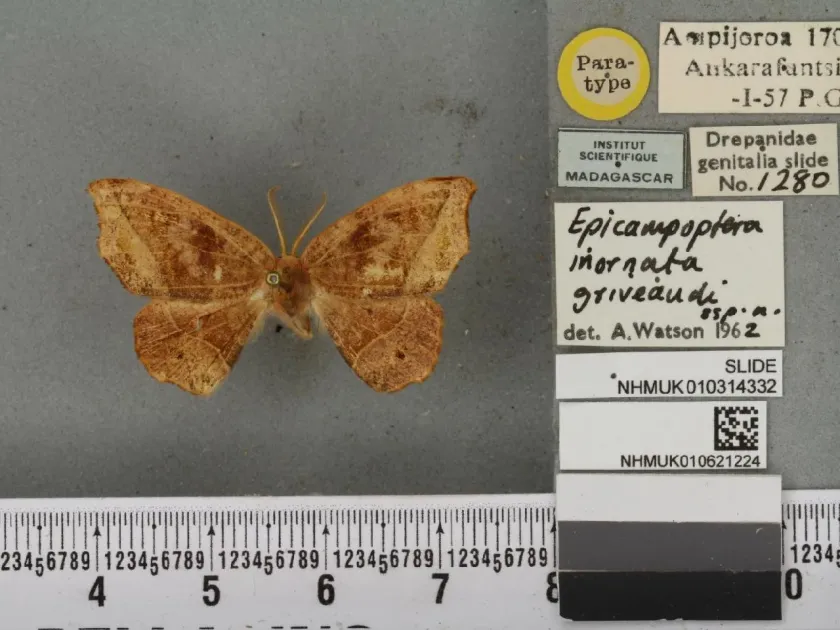
Description
How to identify
Epicampoptera is a genus of moths belonging to the family Drepanidae, commonly known as hooktip moths, which are recognized as significant pests of coffee crops.
Adult moths exhibit cryptic coloration and wing shapes that mimic dry leaves, providing them with effective camouflage against predators while resting on coffee trees.
The larvae, or caterpillars, are the primary damaging stage, often characterized by distinct markings or body projections that help them blend into the foliage.
As part of the Lepidoptera order, these insects undergo a complete metamorphosis including egg, larva, pupa, and adult stages, each with specific survival requirements.
Accurate identification of the species within this genus is crucial for implementing targeted control programs, as different species may have slight variations in their feeding behavior.
What it damages
The primary host plant for Epicampoptera is the coffee tree (Coffea spp.), and these pests are known to cause economic losses in various coffee-producing regions.
Larvae feed extensively on the leaves of coffee plants, often leaving only the main veins, a process known as skeletonization, which severely impacts photosynthesis.
Severe infestations can lead to widespread defoliation, which weakens the plant, reduces its vigor, and makes it susceptible to opportunistic pathogens and diseases.
The reduction in foliage directly affects the plant's ability to produce nutrients, ultimately leading to smaller harvests and lower quality of the coffee beans.
Feeding damage to young shoots and buds is particularly detrimental, as it stunts the growth of the plant and reduces future yield capacity for several seasons.
When it appears
The life cycle of Epicampoptera is synchronized with the vegetative growth phases of coffee plants, which are typically encouraged by warm and humid climate conditions.
Adult moths are nocturnal, with peak activity occurring during the night for mating and the laying of eggs on the undersides of leaves.
Caterpillars emerge and actively feed during the flushing phases of coffee trees, when new and tender leaves provide a nutrient-rich food source for rapid growth.
Depending on the ambient temperature and humidity, the development from egg to adult can be relatively short, leading to multiple generations during a single growing season.
Outbreaks of this pest are often observed following periods of stable, favorable weather, which allows the population density to increase rapidly across plantations.
Signs of infestation
The most evident sign of an Epicampoptera infestation is the presence of skeletonized leaves, where the leaf blade has been eaten away by larval feeding.
The accumulation of larval frass (droppings) on the leaves or the ground beneath the coffee tree canopy is a clear indicator of active pest presence.
Rolled-up leaves tied together with silk are common signs where larvae seek protection or prepare for the pupation phase of their life cycle.
Careful inspection of the lower leaf surfaces may reveal small clusters of eggs, which serve as an early warning sign for potential infestation outbreaks.
Progressive wilting or premature leaf drop on specific branches is a strong indication that the tree has sustained significant feeding damage.
Control measures
Managing Epicampoptera requires an integrated pest management (IPM) approach to maintain population levels below the economic injury threshold.
- Hand-picking larvae from young trees during the early stages of infestation to prevent population buildup.
- Using biological control agents such as Bacillus thuringiensis, which specifically target lepidopteran larvae without harming beneficial insects.
- Implementing regular pruning practices to remove heavily infested branches and improve airflow throughout the tree canopy.
- Monitoring adult moth populations using pheromone or light traps to determine the optimal timing for intervention.
- Applying systemic or contact insecticides selectively when monitoring shows that larval counts exceed acceptable management levels.
Taxonomy
- Latin name
- Epicampoptera
- Order
- Lepidoptera (butterflies)
- Family
- Drepanidae
- EPPO code
- EPIMSP
Discussion
No discussions yet — be the first.