
Cilix
Cilix
Description
How to identify
The genus Cilix, including the common species Cilix glaucata, belongs to the Drepanidae family. These are small nocturnal moths that possess a unique resting posture, mimicking bird droppings to deter predators.
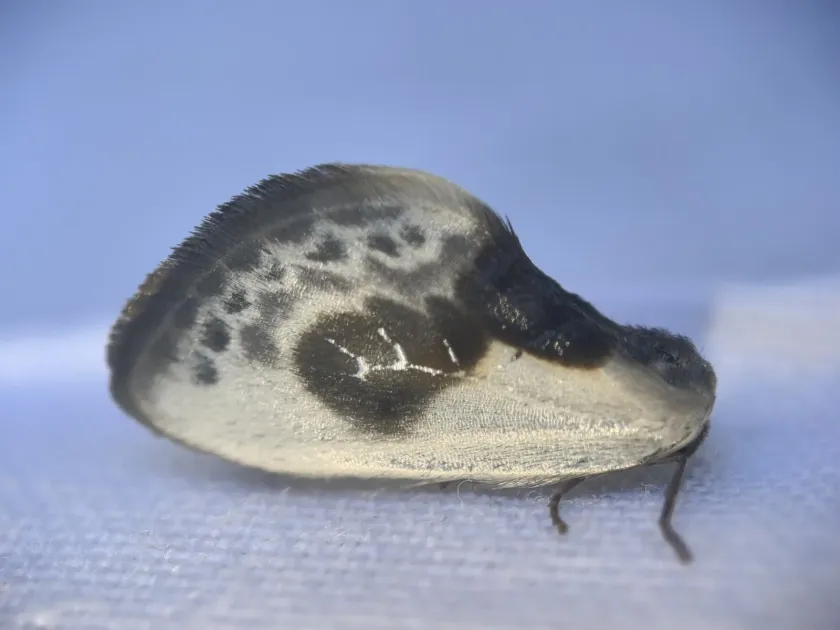
The wingspan of the adult moth is approximately 20–25 millimeters. The forewings are typically white or cream-colored with a distinct brownish or grayish patch in the center, which resembles a rolled-up, withered leaf.
The larvae (caterpillars) have a cylindrical body with a bumpy texture, often appearing brown or greenish-yellow. This mimicry allows them to blend in perfectly with the twigs and leaves of their host plants.
Pupae develop inside a dense, camouflaged cocoon. These cocoons are attached to the underside of leaves or within tree branch forks, incorporating silk threads and bits of debris to remain hidden from birds and wasps.
The life cycle includes the egg, larval, pupal, and adult stages, with the species capable of producing up to two generations per year depending on the environmental conditions and local climate.
What it damages
Representatives of the Cilix genus primarily target plants belonging to the Rosaceae family. Fruit trees, including apple, pear, plum, hawthorn, and blackthorn, are the most frequently infested hosts.
The damage is caused by the caterpillars, which feed aggressively on the leaf blades. They typically start feeding from the edges of the leaves, moving toward the midrib, which can result in significant defoliation.
During outbreaks, this pest can strip large sections of the canopy. This feeding behavior reduces the plant's photosynthetic capacity, weakening the tree and making it more susceptible to winter stress and other pathogens.
Caterpillars pose a significant threat to young saplings in nurseries. Heavy damage to the foliage during the growth phase stunts the tree's development and compromises the structural integrity of branches.
Beyond physical damage, the loss of leaf surface area in commercial orchards can lead to reduced fruit yield and lower quality, as the tree struggles to maintain necessary energy reserves for fruit production.
When it appears
The first generation of adult moths typically emerges in late spring, around May, and remains active until early June. During this time, they lay eggs on the undersides of young leaves.
Caterpillar feeding occurs primarily throughout the summer months. Their peak activity coincides with the most active vegetative growth phase of host fruit trees, making trees particularly vulnerable in June and July.
A second generation of adults may appear in the latter half of the summer, leading to a new wave of larvae that continue to feed on foliage throughout August and into September.
Winter is spent in the pupal stage within a cocoon, which is secured to branches or hidden among fallen leaves, ensuring the insect can survive cold temperatures safely protected from the environment.
Monitoring for this pest is most effective during the evening hours using light traps, as these moths are strictly nocturnal and are highly attracted to artificial light sources.
Signs of infestation
The most immediate visual sign of a Cilix infestation is the presence of characteristic chewed leaf edges. The foliage may appear lacy or skeletonized, as the caterpillars often leave the thicker veins intact.
Accumulation of frass (caterpillar droppings) on the leaf surface below a feeding site is a strong indicator of the pest's presence, marking the exact spot where a larva is active in the canopy above.
Finding whitish or greyish dense cocoons attached to the undersides of leaves is a clear sign that the larval stage has ended and the insect is preparing for its next developmental phase.
In dry conditions, damaged leaf sections brown and wither quickly. This creates a scorched appearance in the tree canopy, which is easily noticeable during routine garden inspections.
Tightly curled or webbed leaves containing small, camouflaged caterpillars are a definitive sign of infestation, indicating that the tree requires immediate care to prevent further damage.
Control measures
The primary control strategy involves sound horticultural practices, such as clearing leaf litter and debris from the base of trees, where pupae often overwinter, to reduce local population pressure.
In home gardens, manual removal of caterpillars and pruning of infested leaves containing cocoons is highly effective and eliminates the need for chemical intervention.
Biological control using insecticides based on entomopathogenic bacteria, such as Bacillus thuringiensis, is effective against young larvae while remaining safe for beneficial insects and the environment.
Chemical control should be reserved for severe infestations that threaten the survival of young trees. Systemic or contact insecticides labeled for use in orchards can be applied according to local regulations.
- Pruning trees to improve light penetration and air circulation.
- Encouraging local birds and predatory insects that prey on larvae.
- Using pheromone or light traps to monitor and manage population levels.
Taxonomy
- Latin name
- Cilix
- Order
- Lepidoptera (butterflies)
- Family
- Drepanidae
- EPPO code
- CILXSP
Discussion
No discussions yet — be the first.