
Red fox
Vulpes vulpes
Description
How to identify
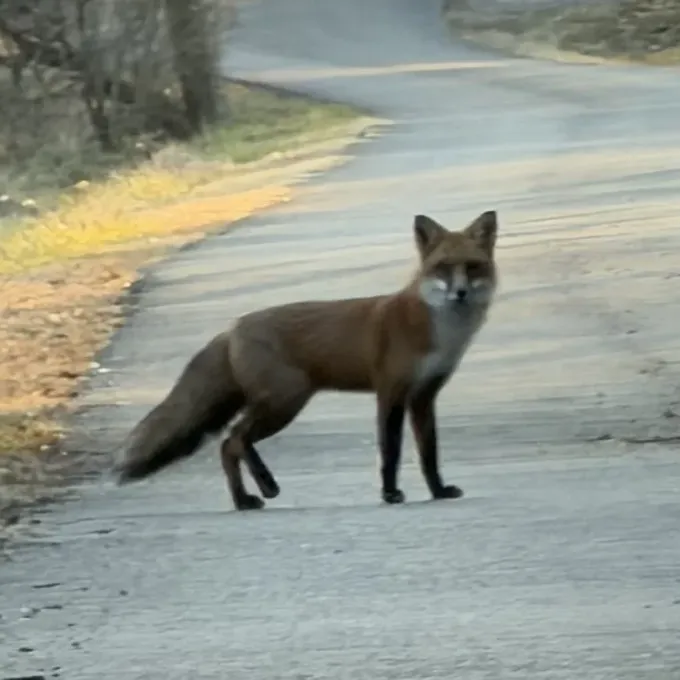
The red fox (Vulpes vulpes) belongs to the order Carnivora and the family Canidae. It is a highly adaptable predator known for its reddish-brown fur, white underbelly, and bushy tail.
Biologically, these animals are opportunistic feeders, thriving in various landscapes including farmland, forests, and suburban areas where they have easy access to food.
The fox life cycle involves breeding once a year, with cubs emerging in spring. During this time, parental adults become significantly more active in hunting to feed their offspring.
Red foxes are primarily nocturnal and crepuscular, meaning they are most active during dawn, dusk, and nighttime hours, which helps them evade detection by humans.
As wild animals, they can carry zoonotic diseases such as rabies and various parasites that pose a biological hazard to domestic animals and farm workers.
What it damages
The primary agricultural impact of the red fox is predation on poultry and small livestock, such as rabbits, which can lead to significant financial losses for farmers.
Foxes frequently cause indirect damage to crops by digging in fields while searching for small rodents or insects, which results in the disruption of plant roots and soil compaction.
In orchards and nurseries, red foxes can cause physical damage to young saplings or vines by breaking branches while moving through the terrain or establishing resting spots.
They often dig burrows under farm structures, leading to compromised structural integrity of sheds, storage facilities, or fencing systems.
The presence of foxes can induce stress in livestock, which may lead to reduced growth rates or lower egg production in poultry flocks due to constant vigilance and fear.
Signs of infestation
The most common sign of a fox presence is the discovery of tracks in mud or snow, characterized by four toes and an oval shape, often appearing in a straight line.
The presence of dens or tunnel entrances near buildings, embankments, or woodpiles is a clear indicator of a fox family residing in the immediate vicinity.
Scattered feathers or the carcasses of small animals left behind in a "cache" near barns or coops are definitive evidence of predatory activity.
Distinctive scent marks, often found on prominent objects like fence posts or rocks, are used by foxes to communicate their territory to other individuals.
Damaged fencing or tunnels dug underneath wire netting indicate an active and persistent effort to penetrate areas where livestock or crops are kept.
Control measures
Securing farm premises with high-quality wire mesh fencing that is buried at least 30–50 cm underground is the most effective physical barrier against digging.
Implementing motion-activated floodlighting systems can deter foxes from approaching poultry coops or garden areas during the night.
Electric fencing, or "electric shepherds," is a highly effective tool for surrounding livestock areas to provide a strong deterrent against predatory approach.
Good sanitation practices, such as removing debris, overgrown vegetation, and tall weeds, limit the cover available to foxes and make the area less attractive to them.
Using non-lethal deterrents like specialized ultrasonic sound emitters or scent repellents can help keep foxes at a distance from sensitive agricultural installations.
Taxonomy
- Latin name
- Vulpes vulpes
- Family
- Canidae
- EPPO code
- VULPVU
Discussion
No discussions yet — be the first.