
Golden jackal
Canis aureus
Description
How to identify
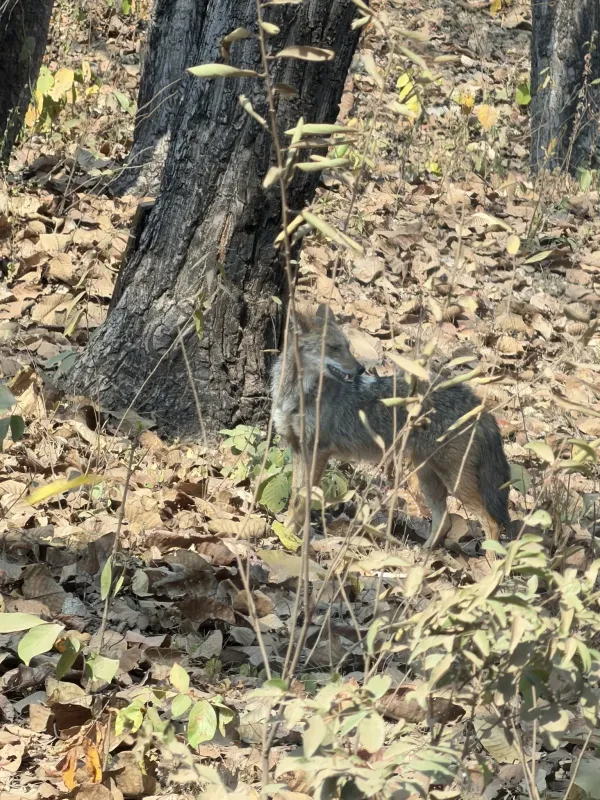
The golden jackal (Canis aureus) is a medium-sized canine predator, similar in appearance to a small wolf. Adult individuals typically weigh between 7 and 15 kg, with a body length ranging from 70 to 85 cm, making them highly agile in dense vegetation.
Their coat color varies from pale yellow to a golden-red tone, which provides excellent camouflage within agricultural landscapes like cornfields, sunflower plantations, or tall grasses, allowing them to remain hidden from human observation.
These predators are highly adaptable and thrive in diverse environments, often utilizing irrigation canals, roadside ditches, and thick scrubland within farming regions as primary habitats and shelter areas.
Golden jackals are primarily nocturnal or crepuscular, showing increased activity during the night, which makes them difficult to monitor. They often form small, territorial packs that efficiently exploit available food resources in agricultural areas.
The biological success of the species is attributed to its high reproductive capacity, with females giving birth to relatively large litters. This population growth potential poses a persistent challenge for agricultural land management.
What it damages
While primarily carnivorous, golden jackals are opportunistic omnivores that consume significant quantities of cultivated crops. They frequently feed on ripening fruits, such as grapes, melons, and watermelons, causing substantial yield losses for fruit growers.
Corn and sunflower fields are particularly vulnerable to jackal incursions. Beyond consuming the grains, their physical activity—trampling and breaking stalks—results in large areas of crop loss, which also complicates mechanical harvesting operations.
In the livestock sector, golden jackals pose a direct threat to small ruminants like sheep and goats, as well as poultry. These attacks lead to significant economic losses for farmers and can facilitate the spread of zoonotic diseases.
Jackals are known to damage irrigation infrastructure, specifically drip irrigation systems. By biting and destroying plastic tubing in search of water, they interfere with essential irrigation schedules, potentially leading to crop failure due to moisture stress.
The overall presence of jackal packs in agricultural fields alters the local ecosystem, often contributing to increased weed pressure through soil disruption and the dispersal of seeds via their digestive tracts, ultimately reducing farm productivity.
Signs of infestation
The most common indication of a jackal presence is their distinctive vocalization. Packs often howl at night or during twilight, which is the most reliable way to confirm their activity levels and approximate location near the farm.
Physical evidence of jackals includes specific track patterns on loose soil, distinct fecal droppings containing vegetable remains, seeds, or animal fur, and leftover debris from consumed crops like partially eaten corn cobs or melon husks.
Jackals typically dig dens in secluded areas such as canal banks, forest edges, or underneath dense thickets. These sites often feature worn paths and discarded food remains, serving as clear indicators of a resident population.
Crop damage caused by jackals often appears chaotic. Unlike small rodents, jackals cause larger, more erratic damage, often uprooting plants or tearing through protective husks and skins of fruits and vegetables in a non-selective manner.
Farmers can utilize trail cameras strategically placed along field boundaries to capture movement data. This technology allows for the accurate assessment of pack size and the identification of primary entry points into agricultural areas.
Control measures
The installation of electric fencing is one of the most effective physical barriers against golden jackals. When installed correctly, it deters predators from entering crop fields and livestock enclosures effectively.
Maintaining clean agricultural perimeters is essential. By regularly removing dense weeds and clearing overgrown vegetation near canals and field edges, farmers can eliminate the preferred hiding and denning sites for jackals.
Integrated acoustic and visual deterrents, such as devices that mimic predator calls or produce sudden light flashes, can be used to discourage jackals, although they are most effective when rotated to prevent habituation.
In regions where jackal populations cause excessive damage, collaboration with local wildlife management agencies is necessary to conduct professional population control in accordance with regional hunting and environmental regulations.
- Use of guard dogs to protect livestock from predator attacks.
- Proper waste management to avoid attracting scavengers near farms.
- Reinforcing fences with mesh wire buried into the soil to prevent digging.
Taxonomy
- Latin name
- Canis aureus
- Family
- Canidae
- EPPO code
- CANIAU
Discussion
No discussions yet — be the first.