
Crab-eating fox
Cerdocyon
Description
How to identify
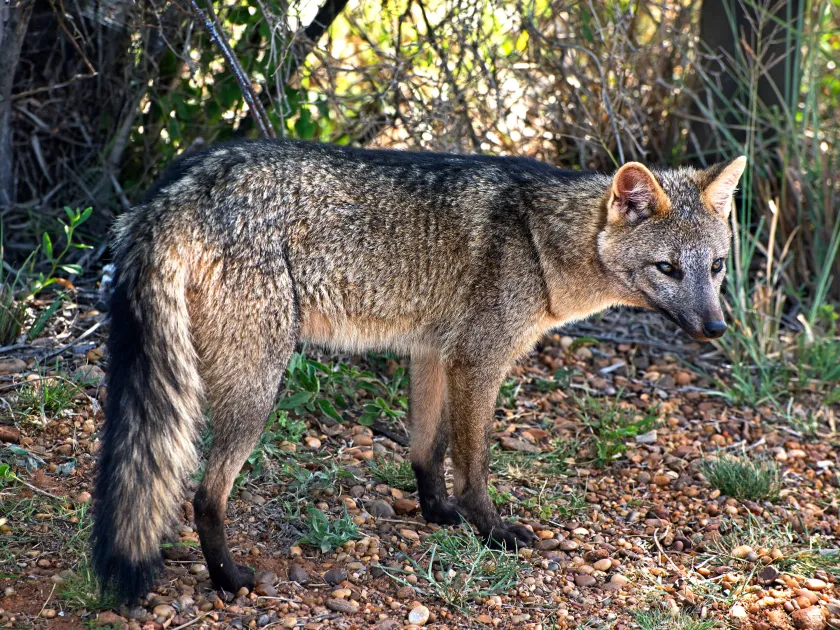
The crab-eating fox, scientifically known as Cerdocyon thous, is a canid species native to South America. It is a medium-sized mammal often found in diverse habitats ranging from savannas to forest edges.
Systematically, this animal belongs to the order Carnivora. It possesses a distinctive coat of grayish-brown fur, a bushy tail, and an elongated muzzle adapted for scavenging and hunting.
The species is highly opportunistic and adaptable, allowing it to thrive in landscapes altered by human agricultural activities.
Adult crab-eating foxes generally weigh between 5 and 8 kilograms, and they are recognized for their agility and nocturnal behavioral patterns.
While not a traditional agricultural pest, its role in the ecosystem as an omnivore means it frequently overlaps with human cultivation areas.
What it damages
The crab-eating fox rarely causes significant direct damage to industrial-scale crops, but it can be problematic for small-scale fruit and berry producers.
Feeding on ripe fruits directly from the trees or ground can reduce the marketable yield and attract other pests to the area.
The species is known to occasionally damage irrigation infrastructure, specifically plastic tubing, while searching for water sources in arid environments.
The most severe impact on farms is often the predation of small livestock, particularly poultry, which can cause significant economic losses to farmers.
Indirect damage includes the potential transmission of pathogens from wildlife to domestic animals, which poses a health risk to livestock.
When it appears
Crab-eating foxes are active year-round and do not hibernate, meaning they remain a constant presence in the agricultural environment.
Increased interactions with farm sites occur during the fruit ripening season when crops provide a reliable and abundant food source.
Periods of extreme heat or drought drive these animals to approach human settlements more frequently in search of supplemental water.
The breeding season often demands higher caloric intake, leading to more frequent forays into managed lands to secure food for offspring.
As nocturnal animals, their impact on farm security is most visible during night-time patrols or via motion-activated monitoring systems.
Signs of infestation
Common indicators of their presence include footprints, which are classic canid tracks often found in mud or soft agricultural soil.
Scat containing fruit seeds or remains of small prey is a definitive sign of their activity within a particular orchard or garden.
Visible bite marks on low-hanging fruits or damaged crops provide clear evidence of their foraging attempts.
Physical disruption of property, such as chewed hoses or dug-up areas near water sources, highlights their presence in the agricultural zone.
Audible cues, such as chirping or yapping sounds at night, are characteristic of the crab-eating fox and are often reported by farmers.
Control measures
Physical exclusion is the primary method of control; installing sturdy fencing buried into the ground is highly effective at preventing entry.
The use of motion-activated floodlights or audio deterrents can effectively scare the animals away from sensitive areas like poultry coops.
Maintaining a clean farm environment by removing fallen fruit and securing animal feed storage significantly reduces the area's attractiveness.
- Deploying electric fencing around the perimeter of orchards or livestock enclosures.
- Using livestock guardian dogs to deter predators from entering the farm territory.
- Implementing regular site inspections to identify and repair any potential breach points in infrastructure.
Lethal control methods should be a last resort and must strictly adhere to local environmental regulations to avoid negative ecological consequences.
Taxonomy
- Latin name
- Cerdocyon
- Family
- Canidae
- EPPO code
- CRDKSP
Discussion
No discussions yet — be the first.