
Red fox
Vulpes
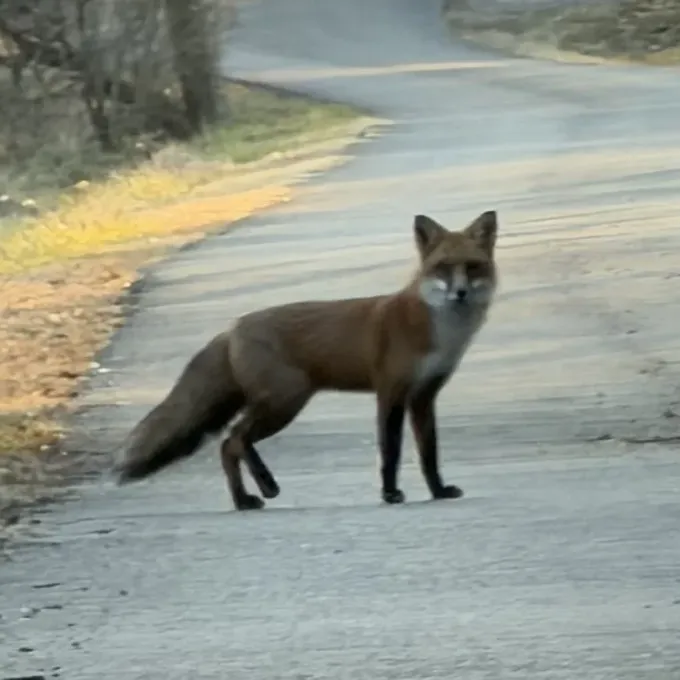
Description
How to identify
The Red fox (Vulpes vulpes) belongs to the order Carnivora and the family Canidae. It is a highly adaptable mammal characterized by its bushy tail, pointed ears, and reddish-brown fur, making it a ubiquitous predator in many rural environments.
These animals are largely nocturnal and crepuscular, relying on their keen sense of smell and hearing to navigate through both wild and agricultural landscapes in search of small mammals.
Red foxes are territorial animals that typically inhabit dens located in earth mounds, hedgerows, or under abandoned farm structures. Their presence in agricultural areas is often driven by the availability of prey like rodents.
The biology of the species involves an annual breeding cycle. During the spring, as vixens raise their kits, the need for protein increases, leading to more frequent incursions into areas near human settlements and crop fields.
While they are considered beneficial by some for controlling rodent populations, their ability to navigate agricultural terrain often leads to conflicts with farmers regarding livestock safety.
What it damages
The Red fox does not feed on crops directly; however, it causes indirect damage by creating pathways through dense vegetation, which results in the flattening of grain and row crops, reducing overall harvest quality.
In greenhouses and vegetable plots, foxes often damage plastic mulches and drip irrigation systems while digging for prey that may be sheltering beneath these materials during the day.
The most significant economic damage occurs in poultry and small livestock farming, where foxes can decimate flocks, leading to direct financial losses for the agricultural enterprise.
Fox dens, when located in arable fields, create surface disturbances that can interfere with planting and harvesting operations, posing a risk of damage to heavy agricultural machinery.
Beyond physical damage, they are known vectors for zoonotic diseases such as rabies, which pose a severe health threat to livestock and farm workers, requiring strict veterinary monitoring.
Control measures
The most effective strategy for mitigation is the installation of perimeter fencing. It should be at least two meters high, with the bottom buried or flared outwards to prevent the fox from tunneling underneath.
Utilizing sensor-activated lighting and acoustic deterrents can create an environment that the fox finds uncomfortable, encouraging it to relocate its activity to areas further from the farm infrastructure.
Good farm hygiene is essential; removing potential food sources, such as improperly stored feed or accessible waste, will reduce the presence of rodents and, consequently, discourage foxes from frequenting the area.
Maintaining clear borders around fields by removing tall weeds and brush eliminates the cover that foxes require for stalking and resting, making the open field less attractive to them.
For persistent problems, farmers should consult with local wildlife management authorities to implement professional trapping or population control measures in compliance with regional regulations.
Taxonomy
- Latin name
- Vulpes
- Family
- Canidae
- EPPO code
- VULPSP
Discussion
No discussions yet — be the first.