
Marbled polecat
Vormela peregusna
Description
How to identify
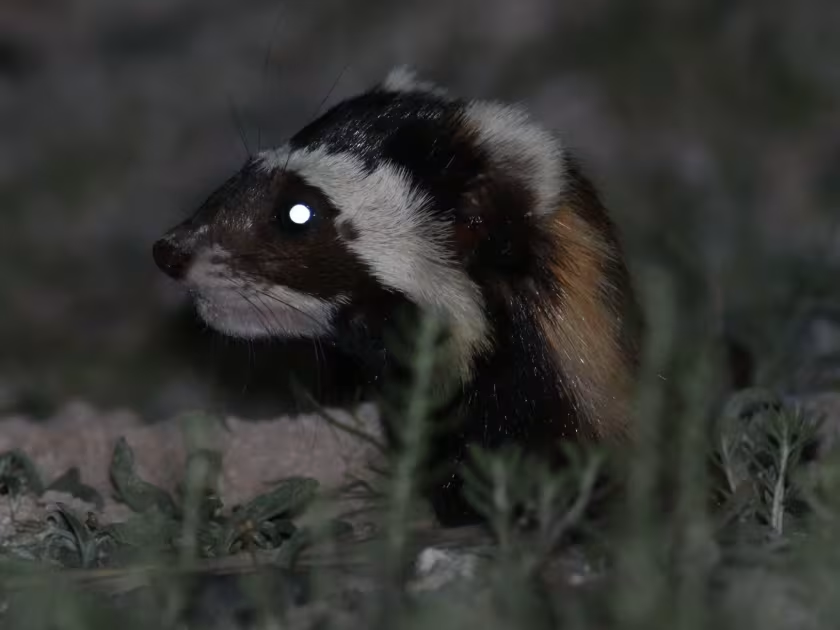
The marbled polecat (Vormela peregusna) is a small, distinctively colored mammal from the mustelid family, characterized by its mottled coat and dark facial mask.
It is predominantly a nocturnal predator, possessing a highly flexible body and keen senses, which make it an exceptionally efficient hunter of small prey.
Its natural habitat ranges from steppes to arid semi-desert areas, though it is frequently seen in agricultural zones where food sources are abundant.
The animal is relatively small, often smaller than the common ferret, and prefers solitary living, which makes it quite elusive to farmers.
Due to its rarity in many parts of its range, the marbled polecat is often a protected species, necessitating a balanced approach to its presence on farmland.
What it damages
The marbled polecat does not damage crops, vegetables, or fruit trees as it is a strict carnivore and does not feed on vegetation.
Its diet consists almost entirely of small mammals, specifically ground squirrels, hamsters, and voles, which are known agricultural pests.
Consequently, the marbled polecat serves as a natural form of biological pest control, reducing the need for intensive rodenticide application on fields.
Direct damage to agricultural operations is practically non-existent, except in rare instances where a predator might target unguarded poultry.
From an agronomic perspective, having a marbled polecat on or near farmland is generally beneficial for the crop health and ecosystem stability.
When it appears
Marbled polecat activity peaks during the spring and summer months when rodent reproduction rates are at their highest, ensuring a stable food supply.
Spring is particularly critical as it corresponds with the breeding season of the polecat, requiring the mother to hunt more intensely for her offspring.
During autumn, the animal focuses on accumulating fat reserves, leading to more frequent activity during the twilight hours.
In winter, activity patterns fluctuate depending on local weather conditions, with the animal often remaining in its burrows during extreme cold.
The animal's annual cycle is intricately linked to the activity periods of the rodents it hunts, following the biological rhythms of its primary prey.
Signs of infestation
The most visible signs of a marbled polecat's presence include small, oval-shaped burrows typically dug in areas where rodent colonies are found.
Remains of prey, such as bones or skins, found near the entrance of its burrow are a clear indicator of successful hunting activity.
An unmistakable, strong odor emitted by the polecat's scent glands is often detectable near its den if the animal feels threatened.
Footprints are small and exhibit the classic mustelid pattern, which can be observed in soft soil or dust along field borders.
The sudden disappearance or decline of rodent populations in specific sectors of a field is a positive sign of a local predator at work.
Control measures
No agricultural control measures are needed for the marbled polecat, as it is considered a beneficial species within the agricultural landscape.
To protect domestic poultry, the best practice is to ensure proper enclosure fencing rather than attempting to remove or harm the predator.
Farmers should avoid the broadcast use of rodenticides, as these chemicals can cause secondary poisoning in marbled polecats, killing off a valuable natural ally.
Creating sustainable agricultural environments involves respecting and protecting natural predators like the marbled polecat to maintain ecological balance.
If the animal causes persistent issues, focus on non-lethal exclusion techniques that prevent access to specific areas without harming the predator itself.
Taxonomy
- Latin name
- Vormela peregusna
- Family
- Mustelidae
- EPPO code
- VORMPE
Discussion
No discussions yet — be the first.