
Marten
Martes
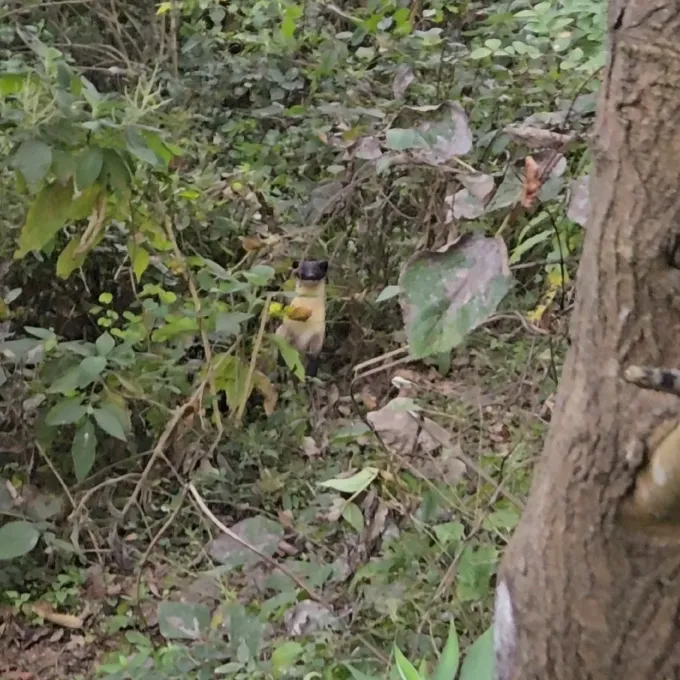
Description
How to identify
The marten (genus Martes) is a member of the Mustelidae family. These agile, slender-bodied predators are known for their exceptional climbing abilities and cautious nature.
They have distinct features, including a sharp snout, a long bushy tail, and curved claws designed for gripping surfaces. Their fur color typically ranges from light to dark brown with a characteristic throat patch.
Martens are primarily nocturnal or crepuscular, meaning they are most active during twilight hours. This secretive lifestyle makes them difficult to spot until damage is already done.
Adult martens grow to about 40-60 centimeters in length. Despite their relatively small physical frame, they are surprisingly powerful and highly efficient hunters in both wooded areas and human settlements.
They possess keen senses, especially hearing and smell, allowing them to navigate complex environments and evade human attempts to trap or deter them successfully.
What it damages
The primary agricultural damage caused by martens involves predatory attacks on poultry. They frequently infiltrate coops and hutches, often engaging in surplus killing, which results in mass losses.
Beyond animal predation, martens can cause significant structural damage. They frequently nest in attic spaces, chewing through roofing felt, insulation, and electrical wiring, which poses a fire risk.
Their presence in or near buildings creates sanitation issues. Martens leave behind droppings, food remains, and waste, which can result in unpleasant odors and the accumulation of debris.
In garden settings, they may strip bark from trees or damage fruit, though this is usually secondary to the damage they inflict on livestock and building infrastructure.
Constant disturbance by a predator causes severe stress to domestic animals, which often leads to decreased production rates and weakened immune systems in livestock.
When it appears
Martens are most active around human property during late autumn and winter. As natural food sources become scarce in the wild, they turn to farms as reliable hunting grounds.
Spring is the breeding season for martens. During this time, females actively seek out safe, sheltered areas to raise their young, often choosing quiet attics or garden outbuildings.
Summer activity near human settlements typically decreases as the availability of natural prey like rodents and birds increases in forested areas, though young martens may still investigate farms.
Late autumn serves as a transition period when individuals begin seeking warmer locations to survive the coming winter, increasing the probability of them settling near barns.
Severe weather conditions, such as heavy snow or prolonged freezes, are significant triggers for martens to enter buildings seeking warmth and easy access to protected prey.
Signs of infestation
Detecting a marten requires careful observation. Look for paired footprints on soft surfaces, which are characteristic of their jumping movement patterns.
- Damaged wire fencing or scratch marks on wooden door frames.
- Poultry carcasses with specific bite wounds on the neck.
- Unusual nocturnal noises, such as scurrying or thumping sounds coming from the attic or barn ceiling.
- Strong, musky odor near entry points of buildings.
- Droppings containing bone fragments, fur, and remnants of berries or insects.
Sudden changes in the behavior of farm animals, such as persistent alarm calls or extreme restlessness at night, often indicate the presence of a predator.
Control measures
The most effective strategy is structural exclusion. Seal all gaps in foundations, roof eaves, and ventilation ducts using heavy-duty hardware cloth or metal flashing.
Employ deterrents such as motion-activated lighting or ultrasonic pest repellers. While not 100% effective, they can disturb the animal's sense of security and encourage it to move on.
Manage the property to reduce attractants. Eliminate brush piles, wood stacks, and garbage areas that provide shelter and food for rodents, which are the marten's primary natural prey.
Use live traps if local regulations permit. Place traps in areas where signs were spotted, using bait such as fresh meat or fish to lure the marten safely for relocation.
Ensure that all poultry enclosures are reinforced with welded wire mesh, and extend the mesh underground to prevent the marten from digging beneath the structure's base.
Taxonomy
- Latin name
- Martes
- Family
- Mustelidae
- EPPO code
- MRTSSP
Discussion
No discussions yet — be the first.