
Lateral leafhopper
Villa lateralis
Description
How to identify
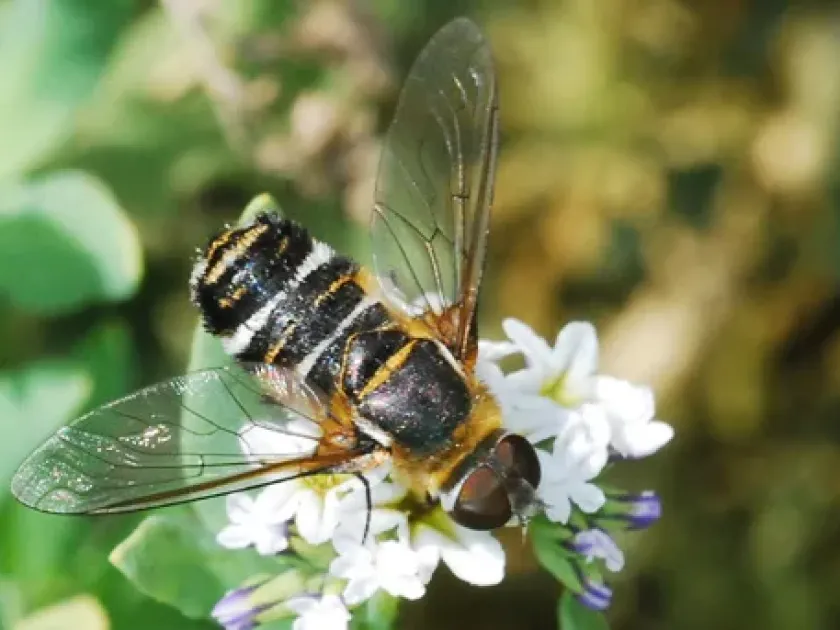
The Lateral leafhopper belongs to the order Hemiptera and the family Cicadellidae. This pest is characterized by its small size and a specific head shape that seamlessly transitions into the pronotum.
Adult insects usually exhibit cryptic coloration that blends with leaf surfaces, making them difficult to detect during field scouting. Their wings are held in a roof-like position over the abdomen.
Nymphs resemble smaller versions of the adults but lack functional wings. They are highly mobile and move primarily by jumping when disturbed by wind or mechanical contact.
The life cycle encompasses the egg stage, five nymphal instars, and the adult stage. The species is capable of completing multiple generations per year depending on climatic conditions.
Overwintering occurs primarily in the egg stage, with eggs deposited within plant tissues or crop residues, providing protection against harsh winter temperatures.
What it damages
The primary hosts include various cereal crops, corn, and several wild grasses that act as reservoirs for the pest population throughout the growing season.
Both adults and nymphs cause damage by feeding on plant sap. This feeding process weakens the plant and disrupts its overall physiological development and growth.
The most significant threat is the role of this leafhopper as a vector for phytoplasmas and plant viruses, which can lead to complete crop failure in infested fields.
Damage symptoms include yellowing, leaf rolling, and necrotic spots on the foliage. These symptoms are caused by the injection of toxins during the insect's feeding process.
Mass infestations often occur during periods of drought, where stressed plants become more susceptible to damage from the pest's feeding activity.
Signs of infestation
The first sign of infestation is the appearance of small white or yellow specks on the leaves, which eventually merge into larger necrotic areas across the leaf blade.
Leafhoppers produce sticky honeydew that coats the leaf surface, frequently resulting in the growth of sooty mold, which severely inhibits the plant's photosynthetic capacity.
Visible swarms of jumping insects occur when foliage is disturbed, serving as a reliable indicator of high population density within the crop canopy.
Stunted plant growth and the deformation of flowers or heads are common signs of severe infestation that directly affect final yields and grain quality.
Monitoring with yellow sticky traps is a standard procedure used by agronomists to track adult migration and determine the optimal timing for protective interventions.
Control measures
Cultural control measures include deep plowing after harvest and strict weed management to eliminate alternative hosts that support the pest population during the off-season.
Crop rotation and maintaining distance between cereal fields and permanent grasslands help prevent the migration of leafhoppers into susceptible crops.
Chemical control involving systemic insecticides is recommended when population densities exceed the economic threshold to prevent both direct damage and disease transmission.
Biological control methods involve the preservation and introduction of natural enemies, such as parasitic wasps, which contribute to suppressing leafhopper populations naturally.
Strategic spraying programs should be executed during calm weather conditions, specifically targeting the early stages of the pest's development for maximum efficacy.
Taxonomy
- Latin name
- Villa lateralis
- Order
- Diptera (flies)
- Family
- Bombyliidae
- EPPO code
- VILLLA
Discussion
No discussions yet — be the first.