
Usia
Usia
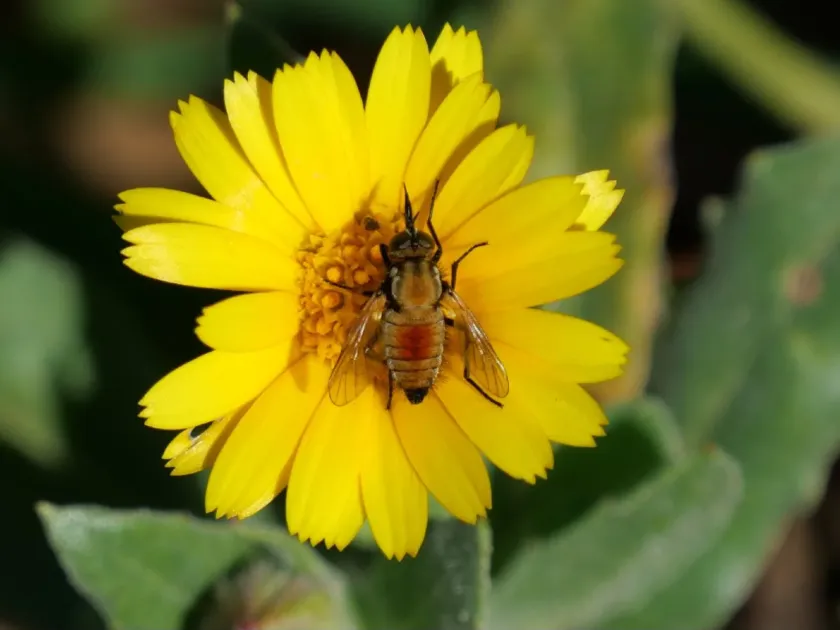
Description
How to identify
The genus Usia belongs to the family Bombyliidae, commonly known as bee flies. These dipteran insects are characterized by their hairy bodies and agile flight, which allows them to hover effectively over flowers. While many bee flies are beneficial, some species in this genus exhibit behaviors that concern agronomists.
Adult specimens are recognized by their distinct wing venation and body shape. Because they resemble bees, they are often mistaken for pollinators; however, accurate identification by experts is necessary to determine if they pose a threat or act as neutral visitors in a specific agro-ecosystem.
The life cycle of Usia species involves a larval stage that develops primarily within the soil. During this phase, the insects remain hidden, making it difficult to detect an infestation until the adults emerge or until significant root damage becomes visible.
Researching their morphology involves examining the structure of the antennae and mouthparts. This is essential for distinguishing Usia from other bombyliids, as misidentification could lead to the unnecessary destruction of beneficial pollinator populations.
The taxonomy of this group is complex, with ongoing studies aiming to clarify the specific habits of different species within the genus. Understanding these nuances is a key component of modern sustainable integrated pest management (IPM) strategies.
What it damages
Damage caused by Usia is largely attributed to the larvae feeding in the rhizosphere. By grazing on roots, they create entry points for soil-borne pathogens, including fungi and bacteria, which often cause more damage to the plant than the insects themselves.
The secondary symptoms include chlorosis and stunted growth, as the plant struggles to uptake water and nutrients through a compromised root system. This can lead to significant yield reductions in sensitive crops, especially during early growth stages.
In mature crops, the damage may be less obvious, but the presence of larvae in the root zone can increase stress levels during drought or high-heat periods. This hidden pressure reduces the plant's overall resilience to abiotic stress.
While adult Usia flies feed on nectar, their intense activity around flowers can sometimes interfere with the pollination process of certain crops. If the density of adults is high, they may displace other, more efficient pollinators.
Overall, the economic damage is variable and depends on the specific crop variety and environmental conditions. Constant monitoring is necessary to determine if the population density warrants intervention or if the damage remains within tolerable levels.
When it appears
The seasonal appearance of adult Usia flies is tightly coupled with local flowering patterns. In most regions, peak activity occurs during the spring and early summer, when environmental temperatures support their rapid metabolic development.
The larval stage lasts for the majority of the growing season, meaning the threat to root systems is persistent. Monitoring soil conditions during the pre-planting and early establishment phases is crucial for assessing potential risk.
Emergence dates can shift based on climatic anomalies, such as late springs or unusual rainfall patterns. Agronomists often use pheromone traps or sweep netting to predict the timing of the adult flight period for better planning.
Environmental factors, such as soil compaction and moisture content, play a significant role in their success. Dry, loose soil conditions are generally favored by the larvae for their development, which should be kept in mind when preparing fields.
Tracking historical data for each specific plot helps in anticipating the appearance of the pest. If previous years showed high population densities, preventive measures should be implemented before the emergence season begins.
Signs of infestation
Identifying an infestation starts with observing the adult flies. Their distinctive buzzing and hovering behavior over flowering crops is the most obvious sign. Seeing large numbers of them clustered in specific areas of the field is a warning sign.
Visual signs of crop distress are also indicators. If plants show localized yellowing or dieback despite regular irrigation, it is essential to inspect the root zone for signs of grazing or tunnels.
Soil excavations around the base of affected plants may reveal the larvae. These larvae are often translucent or cream-colored, blending in with the soil particles, which requires a keen eye to detect during field inspections.
Another sign is the disruption of crop flowering. If pollination rates appear lower than expected or if buds drop prematurely, it may be a sign that the local pollinator community has been negatively affected by the presence of Usia.
- Visual sighting of adult flies hovering around crops.
- Reduced plant vigor and stunted development in patches.
- Presence of larval feeding scars on roots during inspections.
- Patchy germination or wilting of seedlings in spring.
Control measures
Integrated pest management for Usia centers on cultural practices that disrupt the life cycle of the insect. Deep tillage post-harvest is one of the most effective methods to disturb the soil and expose larvae to predators and desiccation.
Crop rotation is a vital strategy. By alternating vulnerable crops with those less favored by the larvae, farmers can effectively starve out the population. This disrupts the continuity required for the Usia life cycle to thrive in one spot.
Biological control methods are encouraged to maintain ecological balance. Using entomopathogenic fungi or beneficial nematodes in the soil can keep larval populations in check without the use of harsh chemicals that harm the broader ecosystem.
Chemical intervention should be considered a last resort. If insecticides are necessary, they must be highly selective and applied at times when pollinators are not active to minimize collateral damage to the agricultural environment.
Maintaining field hygiene, including the removal of nearby host weeds that might provide shelter or supplemental food for adult Usia, is a simple yet effective way to reduce the attractiveness of the field to this pest.
Taxonomy
- Latin name
- Usia
- Order
- Diptera (flies)
- Family
- Bombyliidae
- EPPO code
- USIASP
Discussion
No discussions yet — be the first.